Chongqing’s Top 10 Not-to-Miss Spots: The Ultimate Guide to Its Magical Mountain City Charms & Hidden Gems
Chongqing, known as the “Mountain City,” is a vibrant metropolis nestled in southwestern China, celebrated for its dramatic landscapes (where mountains cradle the Yangtze and Jialing Rivers), rich Bayu culture, and fiery cuisine. Blending futuristic skyscrapers with ancient towns, it offers travelers a rare mix of adventure, history, and local flavor. This guide highlights Chongqing’s unmissable spots—from iconic landmarks to off-the-beaten-path gems—ensuring you experience the true magic of this one-of-a-kind city.
Introduction to Chongqing: A Mountain City Like No Other
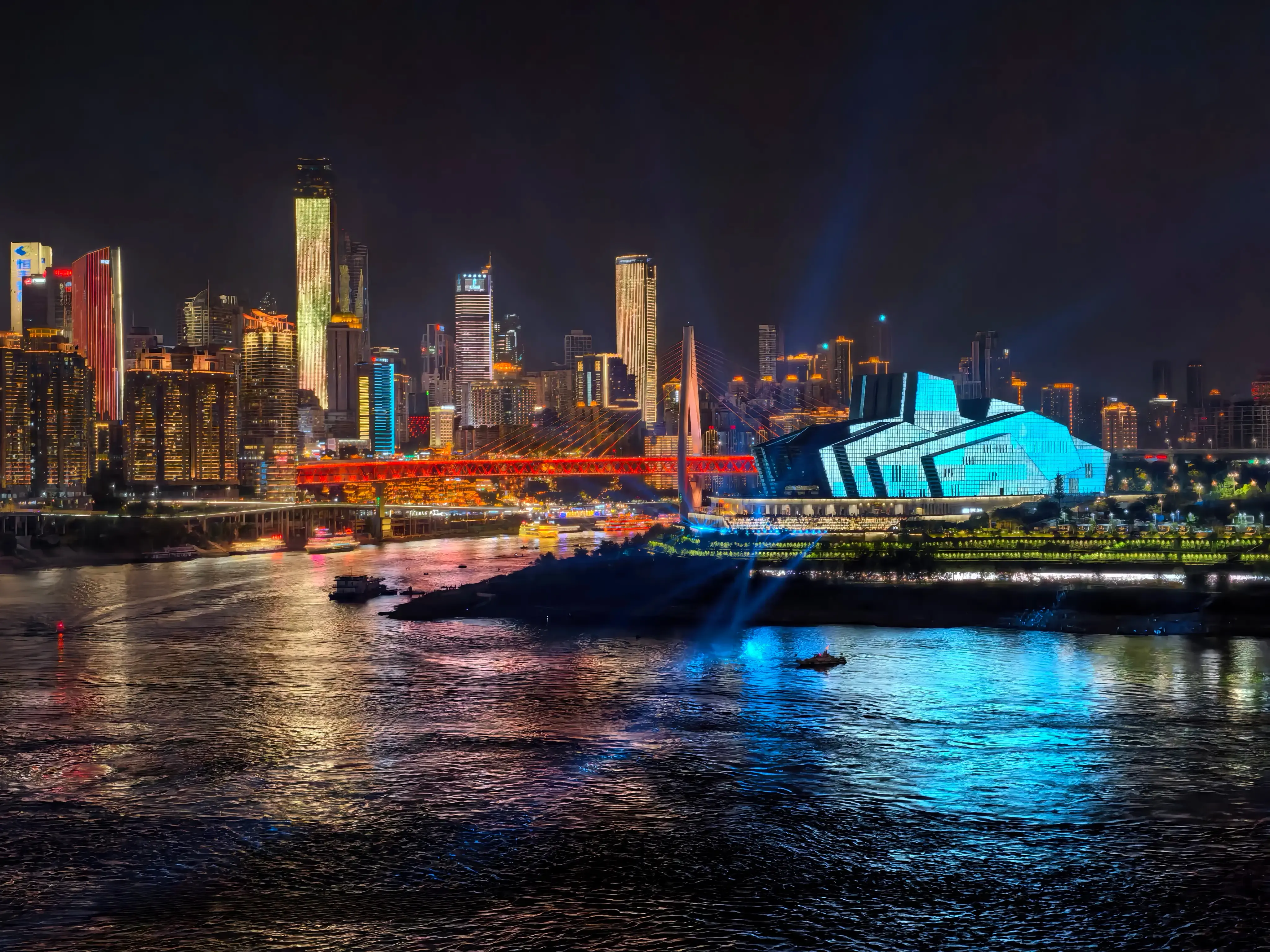
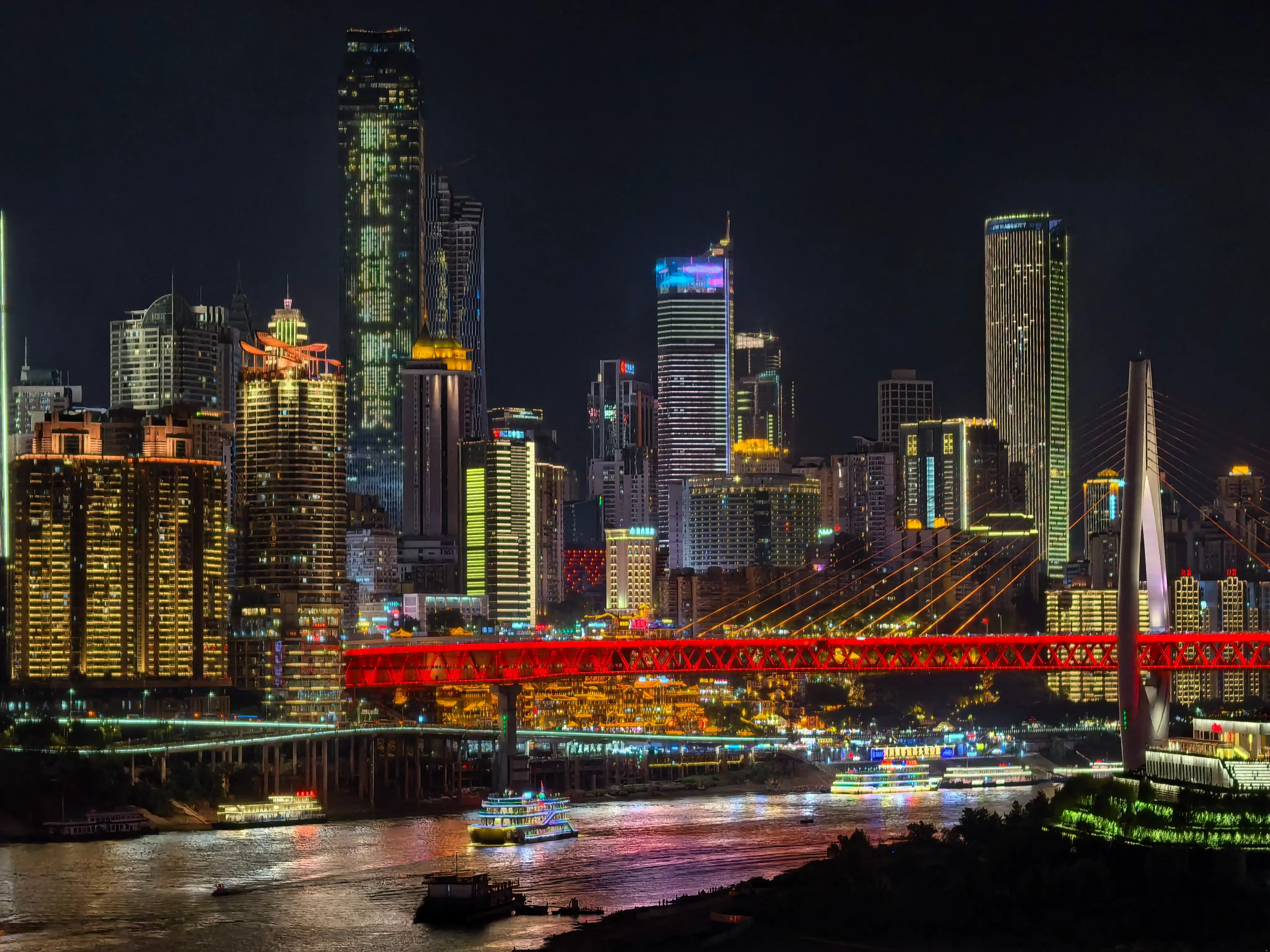
Perched on hillsides with rivers winding through its core, Chongqing defies traditional urban layouts: streets climb steep slopes, light rails pass through residential buildings, and night views glow like a sea of stars. Beyond its “magical” skyline, it’s a city of contrasts—spicy hot pot stalls sit beside luxury malls, and ancient temples overlook modern bridges. Lace up your walking shoes (you’ll need them for the hills!) and dive into a destination where every corner holds a surprise.
Historical Landmarks: Uncovering Chongqing’s Bayu Heritage
Chongqing’s history stretches back over 3,000 years, with landmarks that tell stories of imperial dynasties, wartime resilience, and cultural legacy. These sites blend historical depth with photogenic charm.
The Great Hall of the People
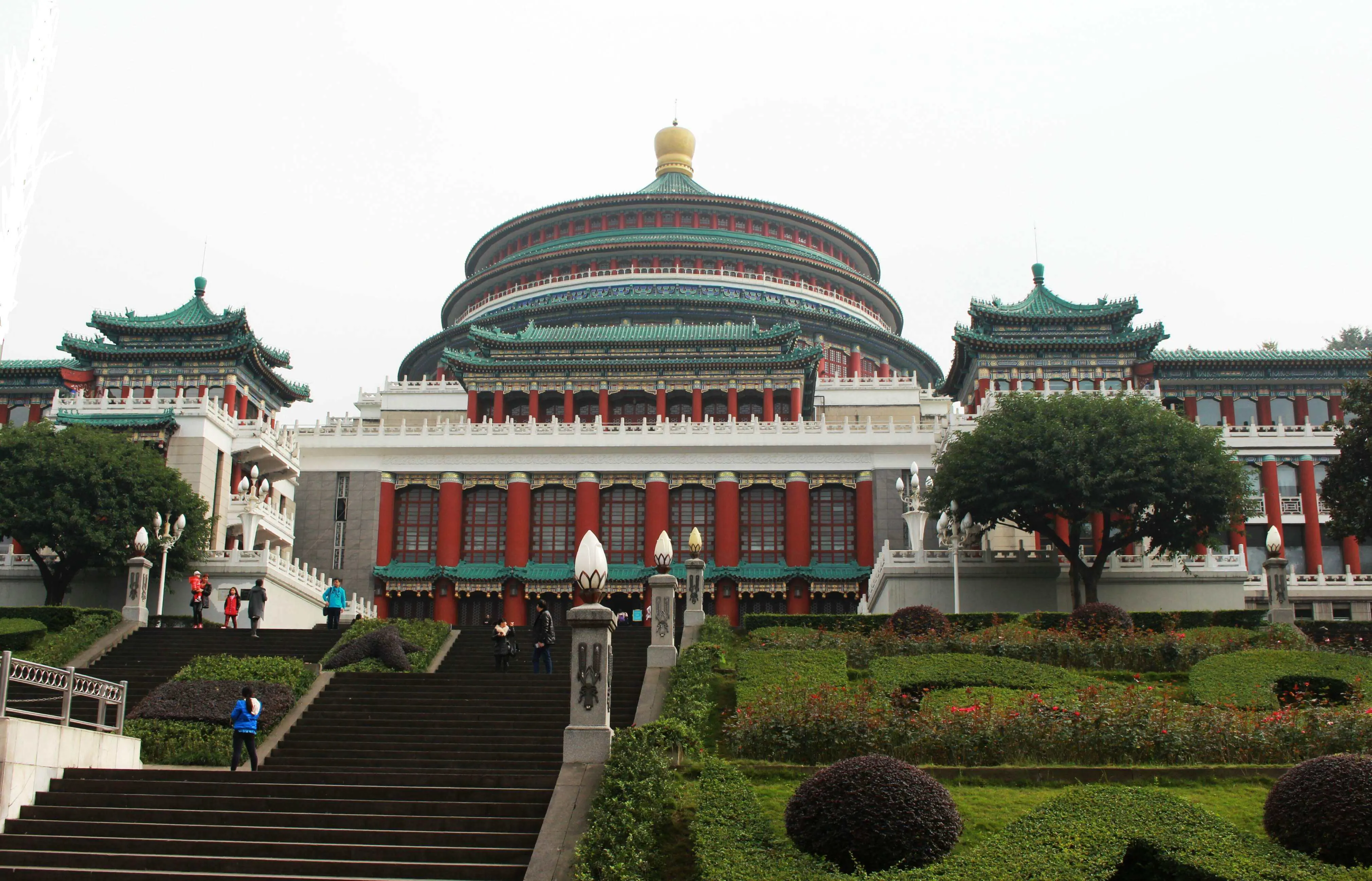
A masterpiece of Chinese architecture, this 1950s landmark features a grand domed roof and red pillars, drawing inspiration from traditional Chinese pavilions. It hosts cultural events and political gatherings, but visitors can tour its opulent halls (free with ID) to admire intricate wood carvings and historical exhibits. Don’t miss the photo op with the hall and nearby People’s Square—their red-and-green color scheme embodies classic Chinese design.
Ciqikou Ancient Town
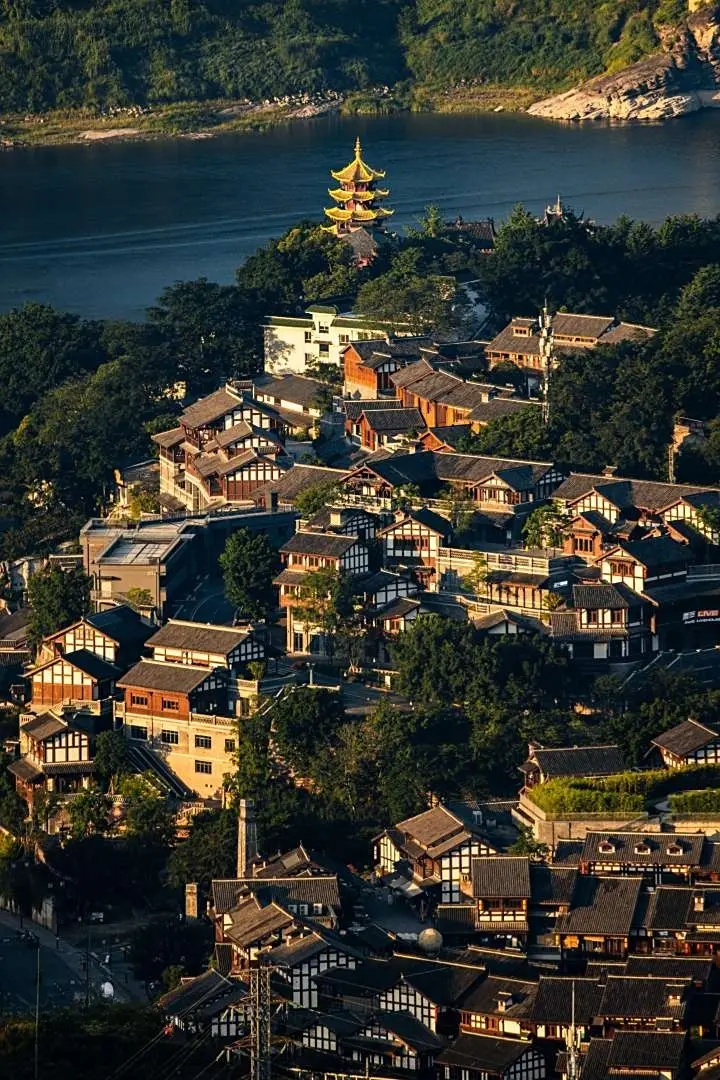
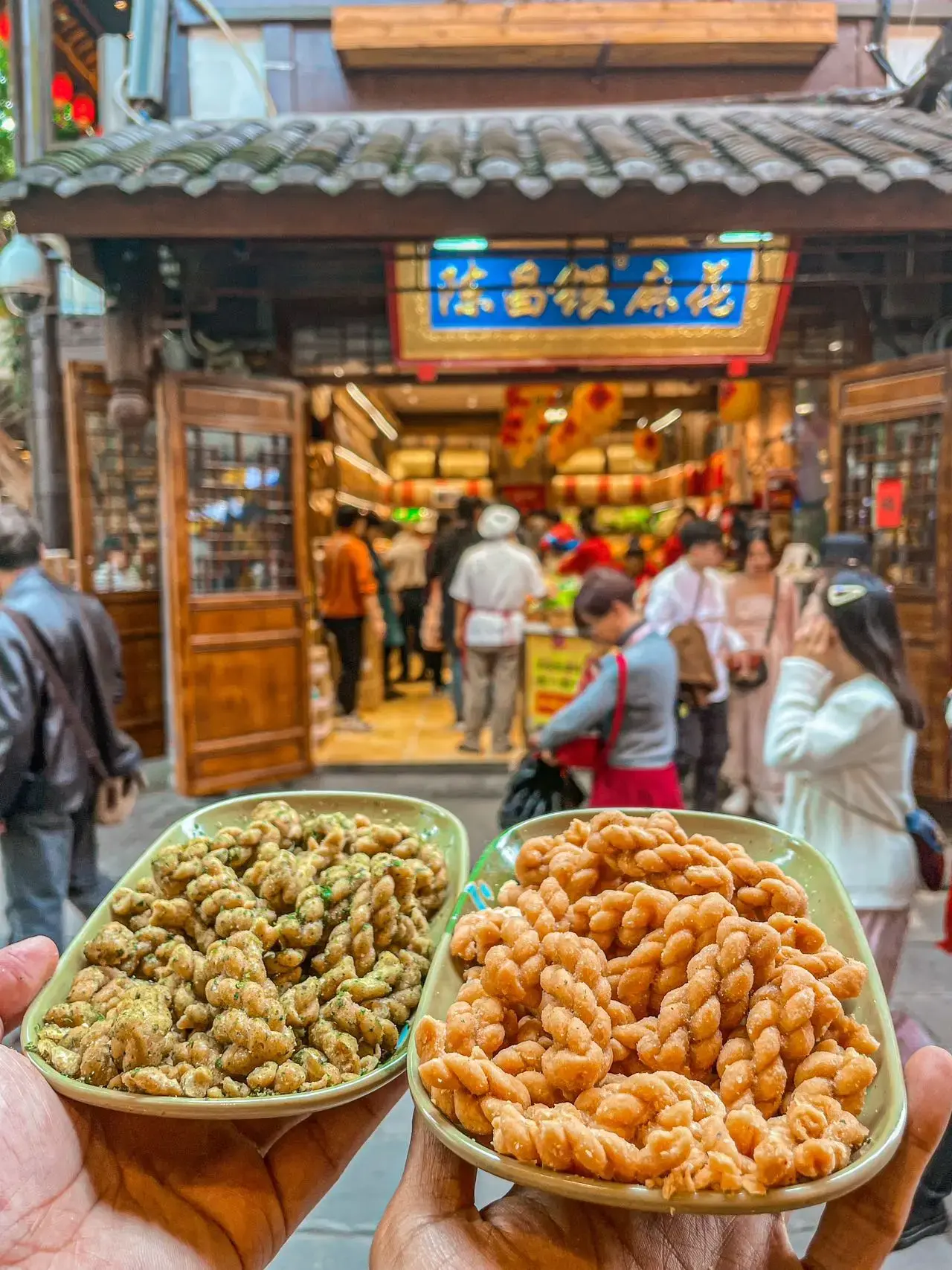
Founded over 1,000 years ago, this well-preserved town retains Ming and Qing dynasty architecture: cobblestone streets, wooden stilt houses, and stone archways. Wander past stalls selling handmade snacks (try Chen’s fried dough twists, 15 CNY) and traditional crafts, then relax in a old teahouse with a cup of Tuocha while listening to Sichuan opera. For quiet moments, explore the back alleys—away from the main street, you’ll find local families hanging laundry and elders playing chess.
Jiefangbei CBD: The City’s Heartbeat
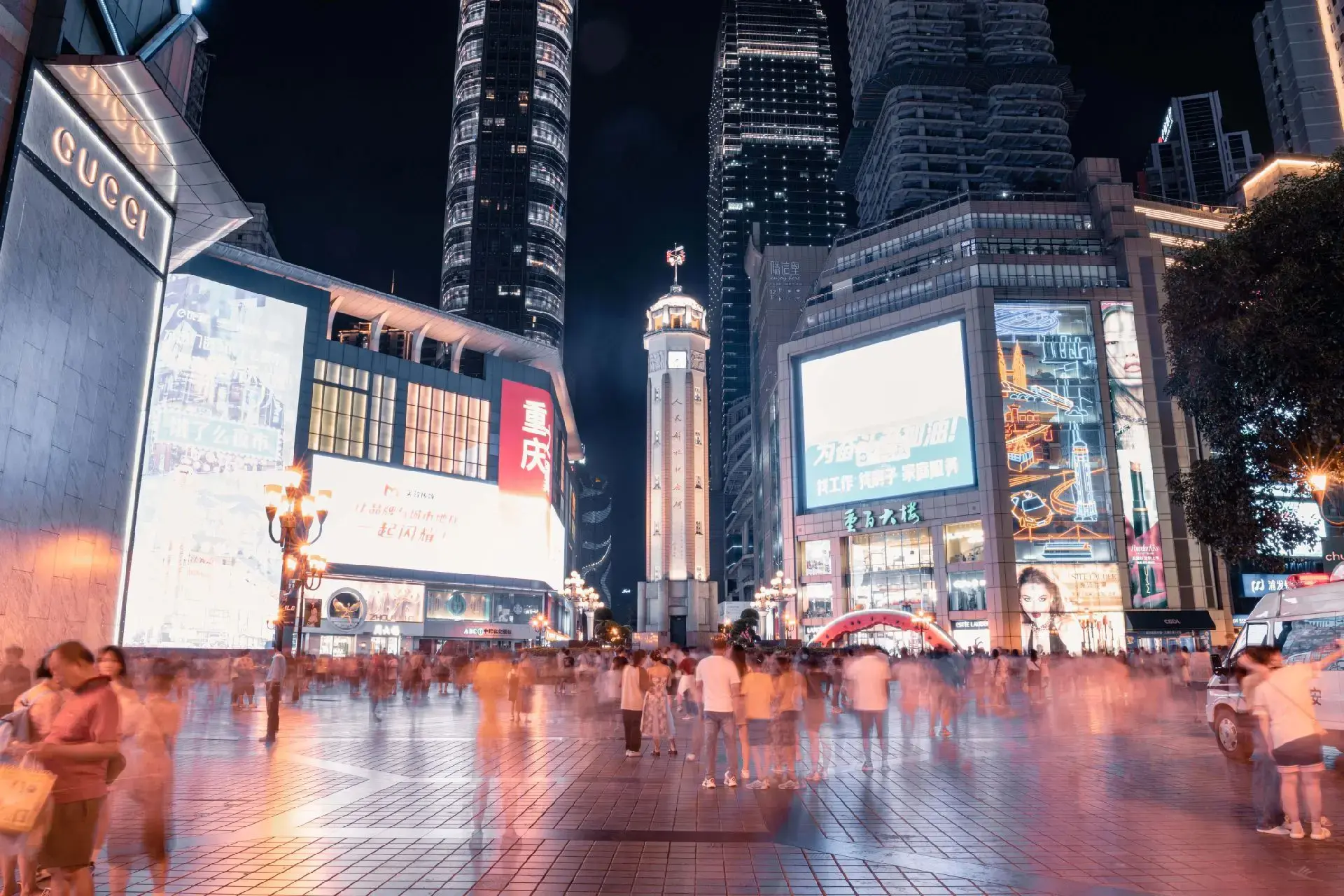
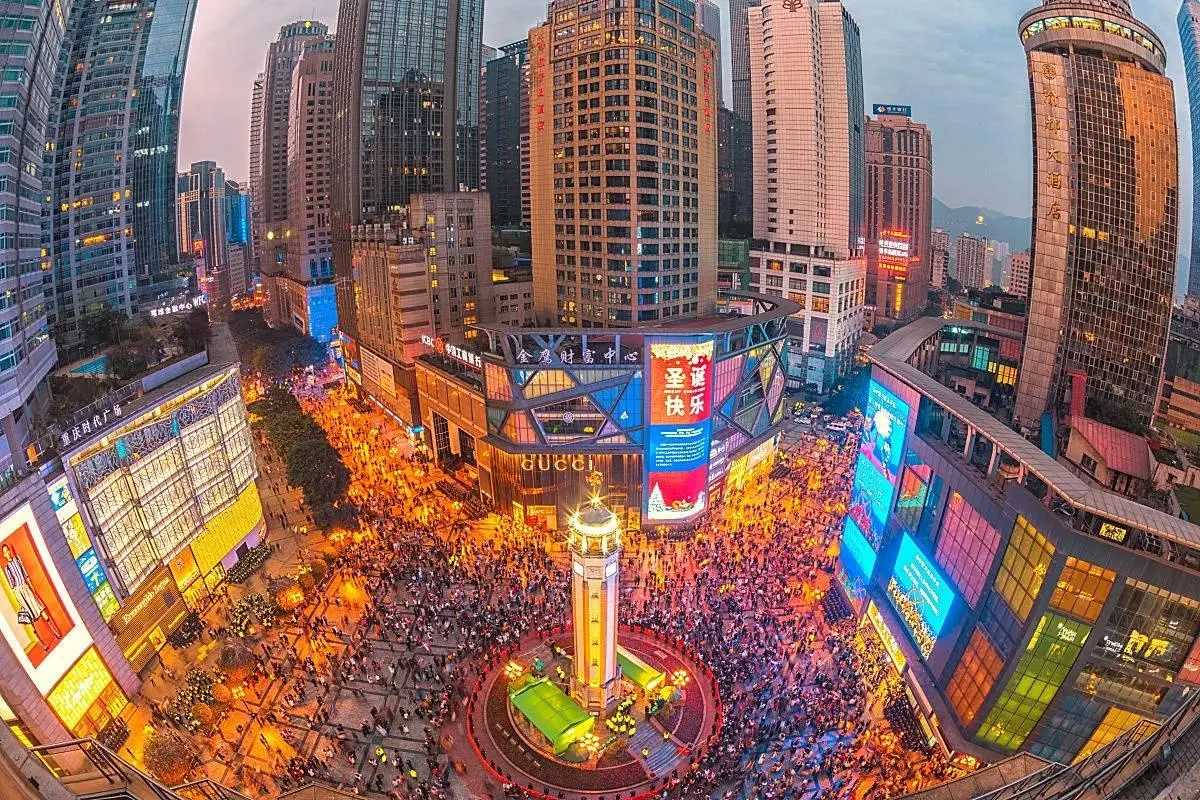
More than just a commercial district, Jiefangbei (Liberation Monument) is a symbol of Chongqing’s post-WWII history. The 27-meter-tall monument honors the city’s liberation in 1949, surrounded by glass-skinned skyscrapers (like the 339-meter Chongqing World Financial Center). By day, shop in malls or snack at Bayi Food Street (try grilled sweet potato skins, 10 CNY); by night, the area lights up with neon, and street musicians fill the air with music. It’s the perfect spot to feel Chongqing’s energy.
Hongyadong
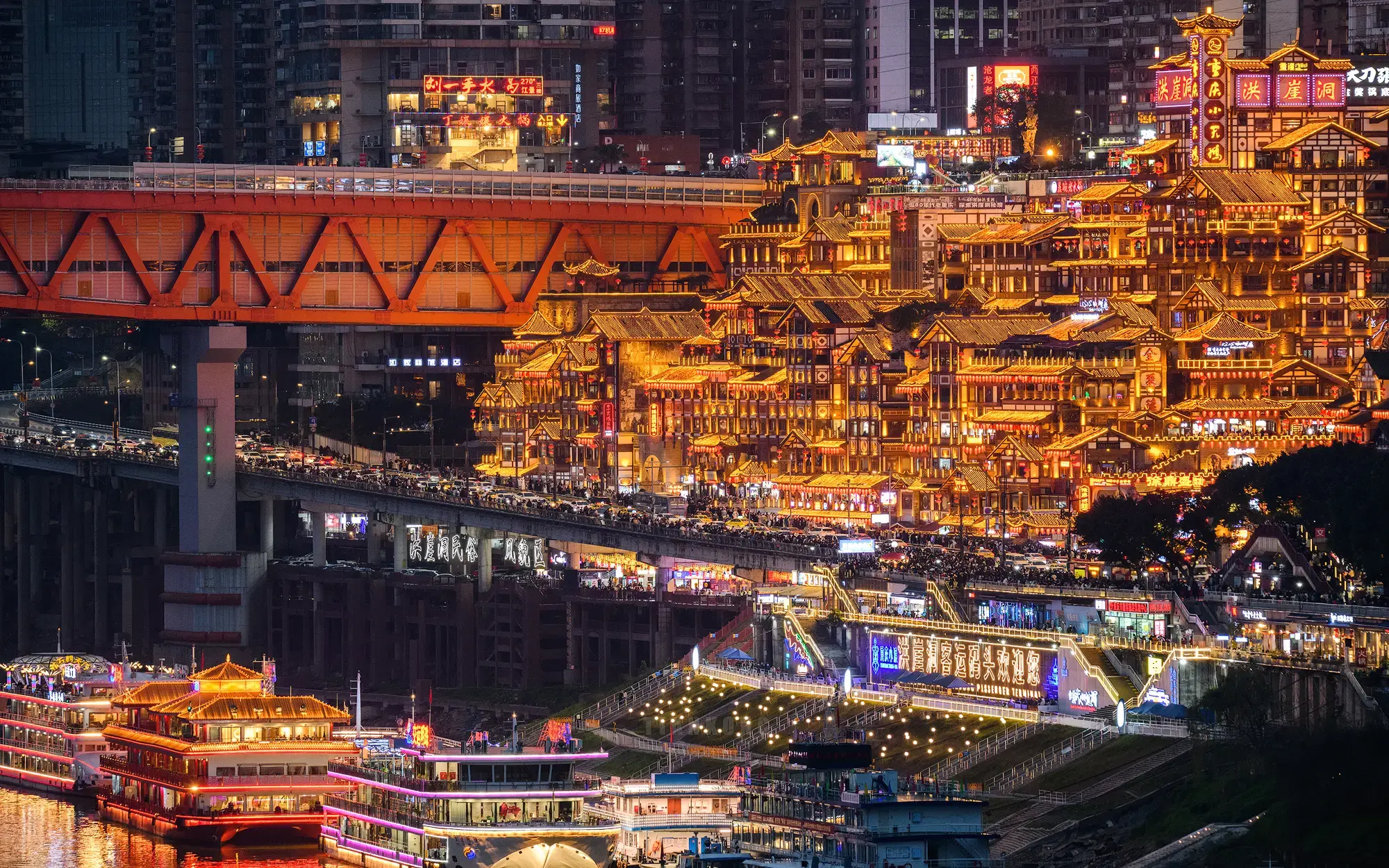
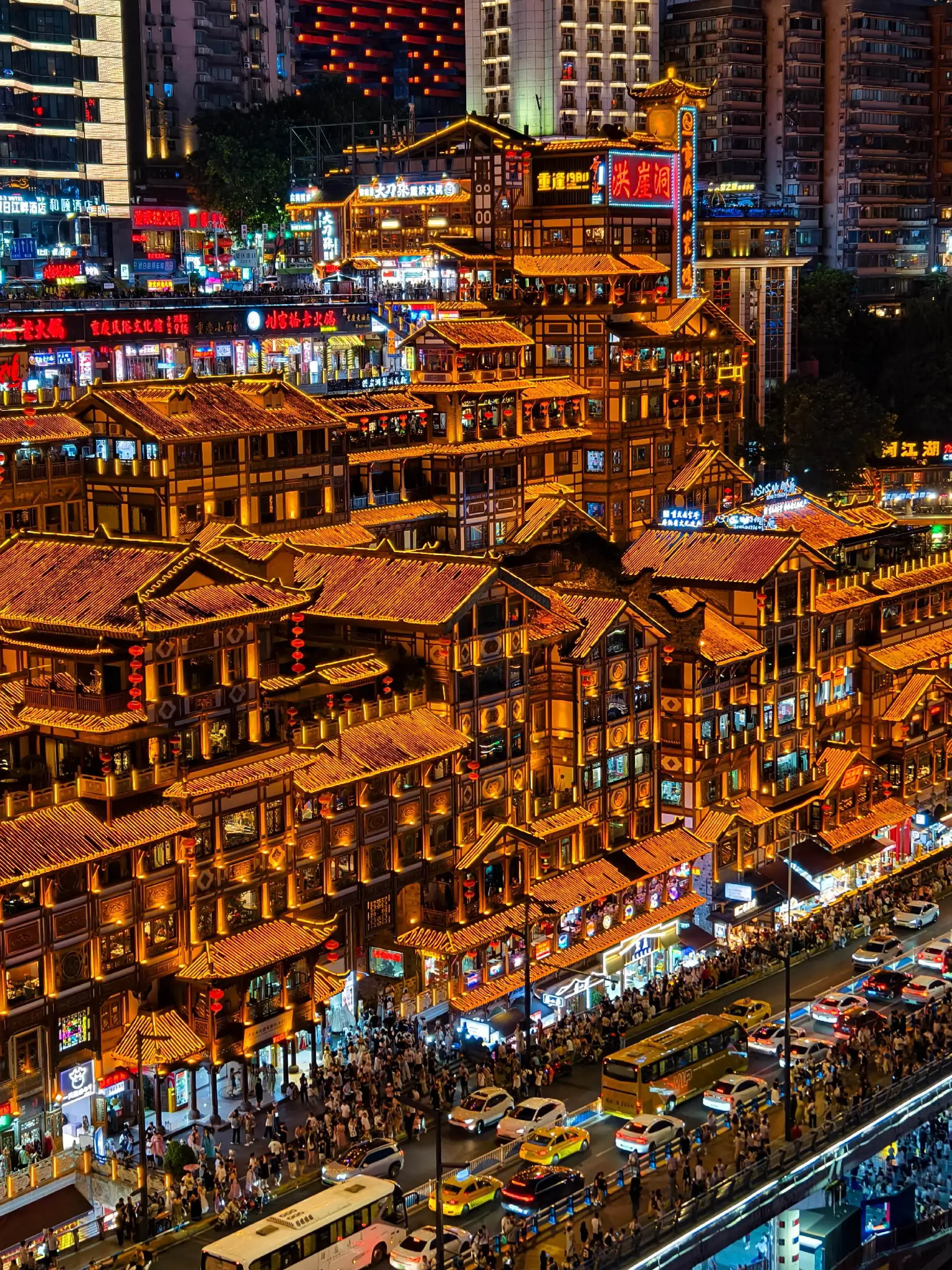
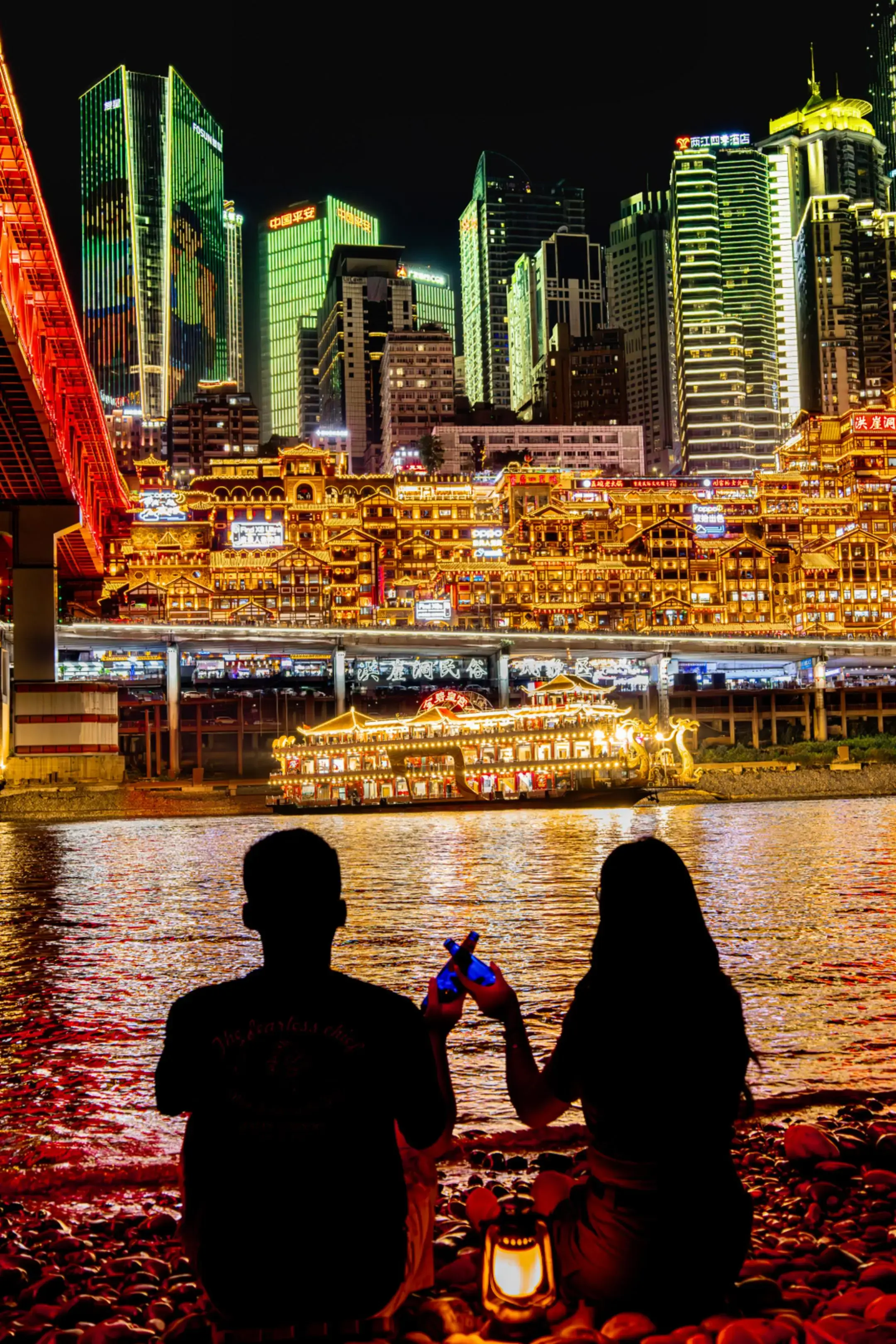
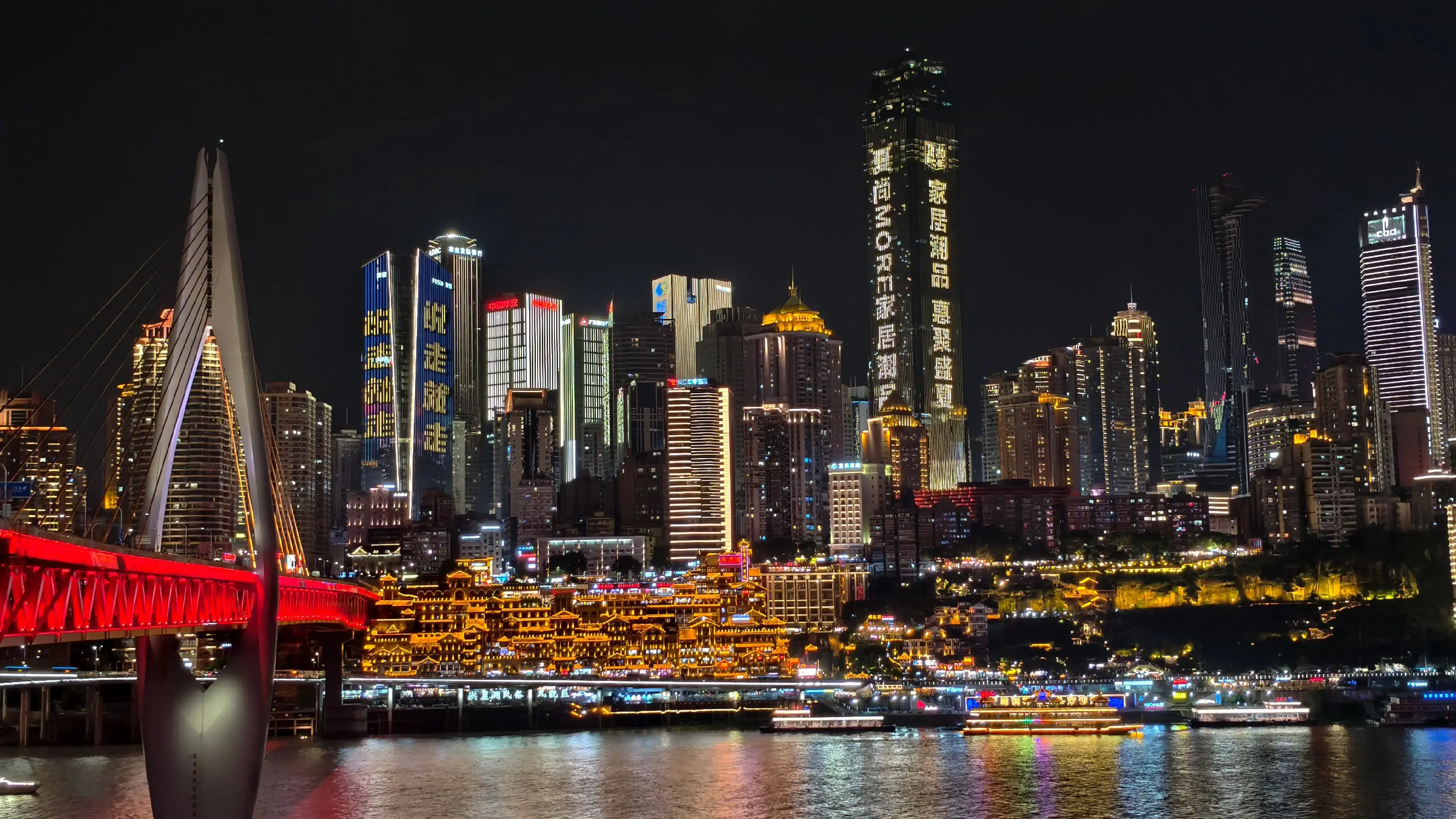
Often called “the real-life Spirited Away,” this riverside complex of wooden stilt houses cascades down a cliffside. At dusk (18:30–22:00), thousands of warm lights turn it into a fairy-tale scene—cross Qiansimen Bridge for the best panoramic views. Inside, explore 11 floors of shops, restaurants, and the Bayu Folk Customs Museum. Skip the 20 CNY elevator; hike up from the 1st floor to discover hidden photo spots of the Yangtze River.
Natural Wonders: Chongqing’s Scenic Treasures
Chongqing’s geography—mountains, rivers, and karst landscapes—creates some of China’s most breathtaking natural sights. These spots showcase the city’s wild, untamed beauty.
Wulong Karst National Geopark (Chongqing Section)
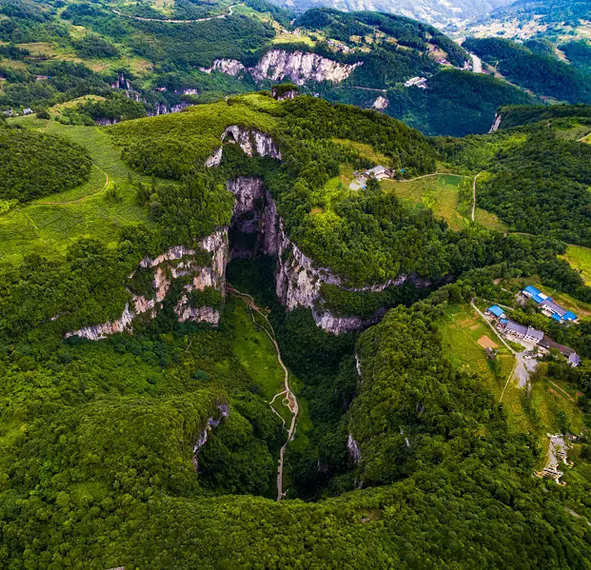
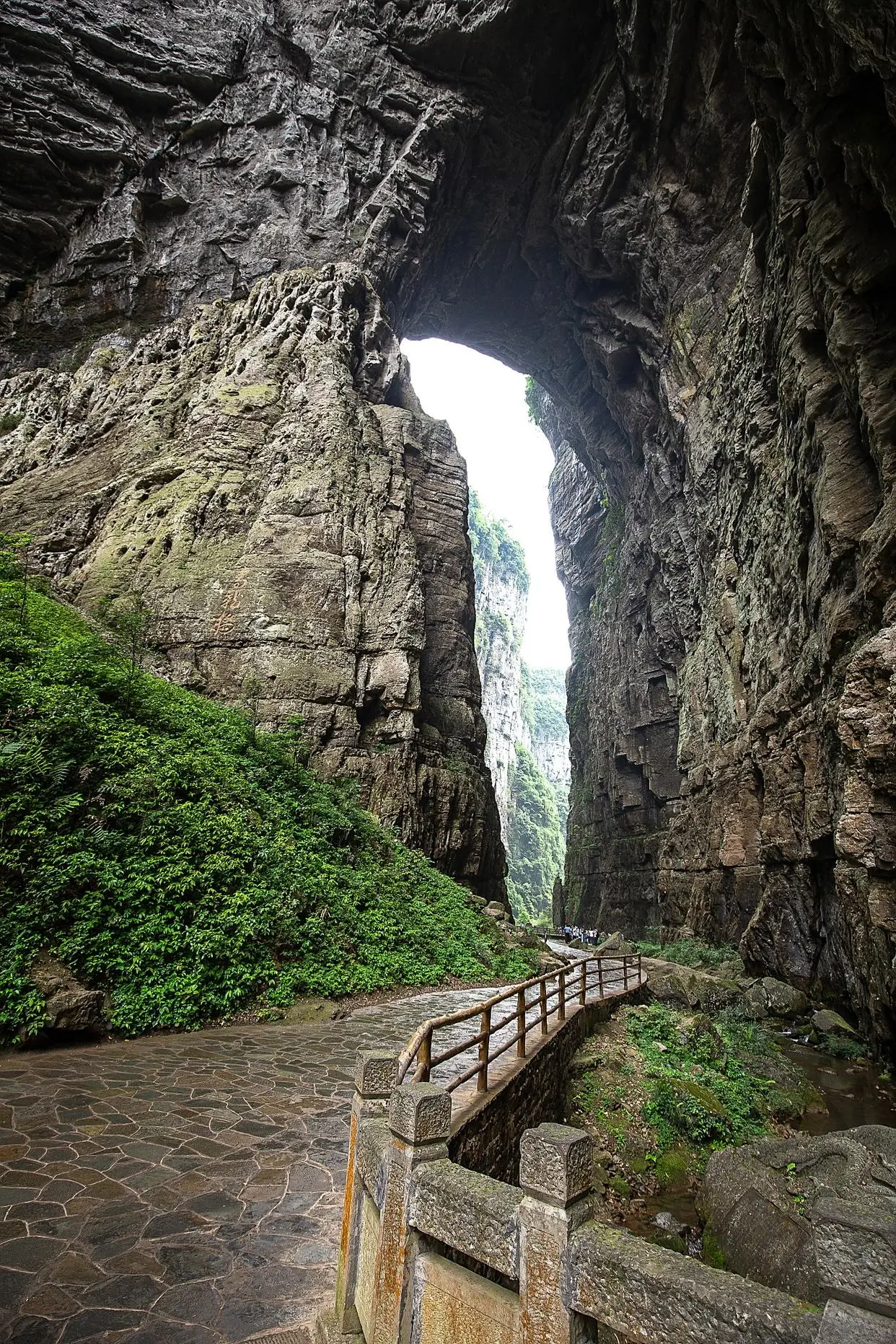
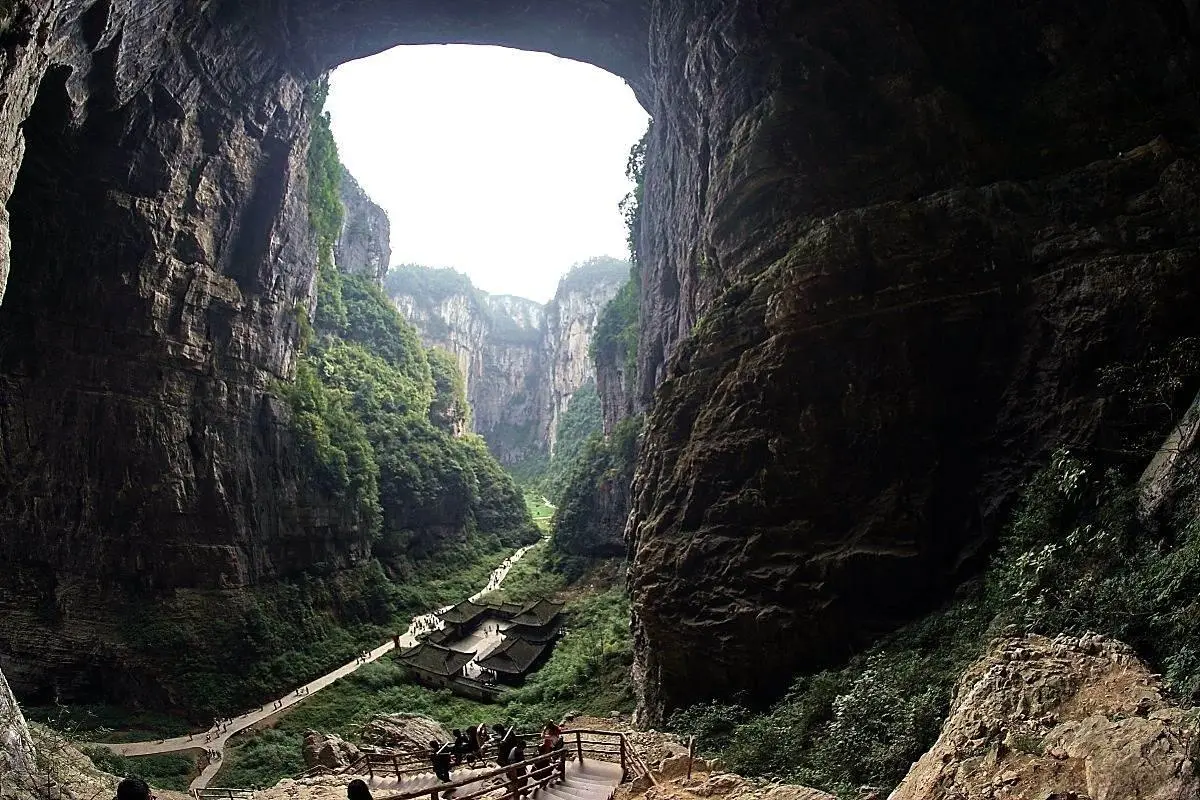
A UNESCO World Heritage Site, this Chongqing gem features towering limestone pillars, deep sinkholes, and natural bridges. The Three Natural Bridges area is a highlight: walk beneath Tianlong Bridge and Qinglong Bridge, then visit the Tianfu Post Station—a Tang dynasty-style building featured in Curse of the Golden Flower. Wear non-slip shoes (trails are wet after rain) and take the scenic elevator (included in 125 CNY tickets) for a dramatic descent into the sinkhole.
Fuling Baiheliang Underwater Museum
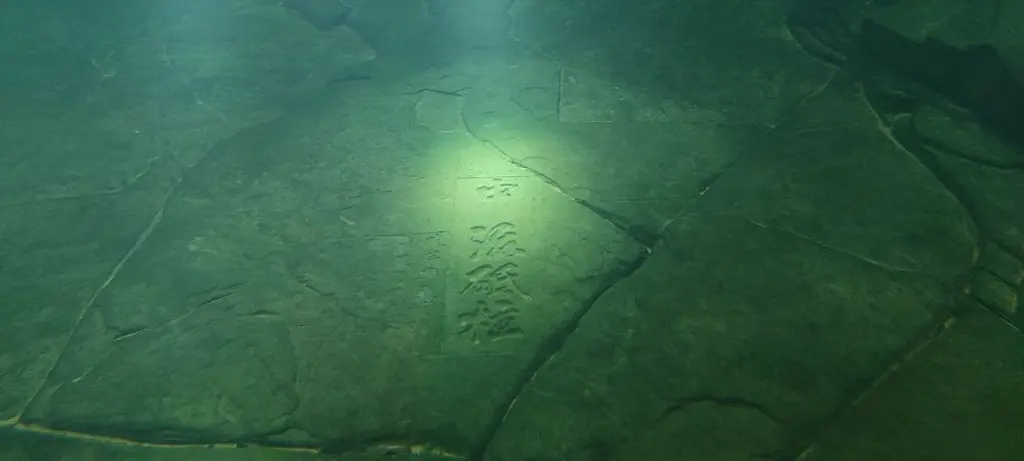
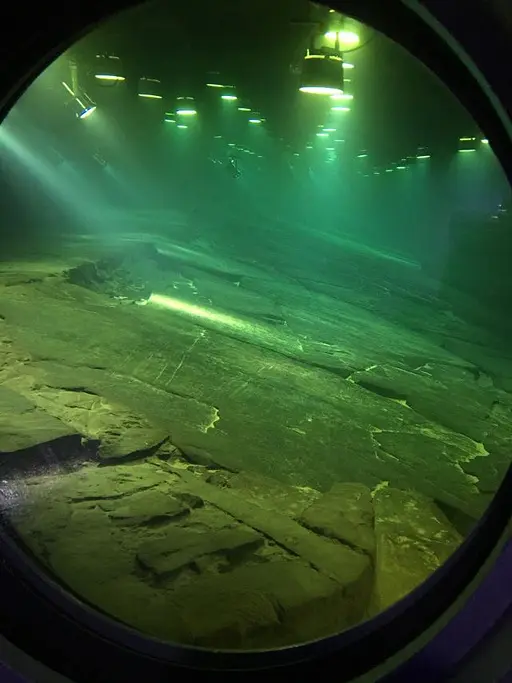
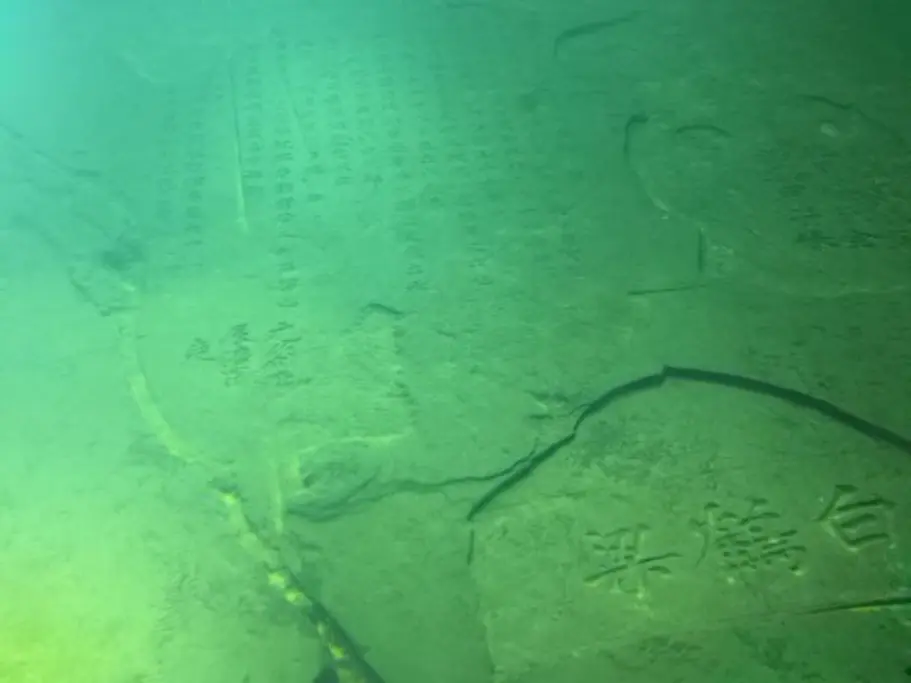
A unique blend of nature and history, Baiheliang is an ancient “water gauge”—rock carvings dating back 1,200 years that record Yangtze River water levels. Today, it’s the world’s only underwater museum: visitors walk through a 60-meter glass tunnel to see the carvings (preserved 40 meters below the river surface). The museum also has exhibits on Chongqing’s river culture—don’t miss the 1,000-year-old stone fish carvings, which were once used to predict harvests.
Cultural Experiences: Dive Into Local Life
To truly know Chongqing, join its traditions—from festivals to tea culture. These experiences let you connect with locals and taste authentic Bayu life.
Eling No.2 Factory Cultural and Creative Park
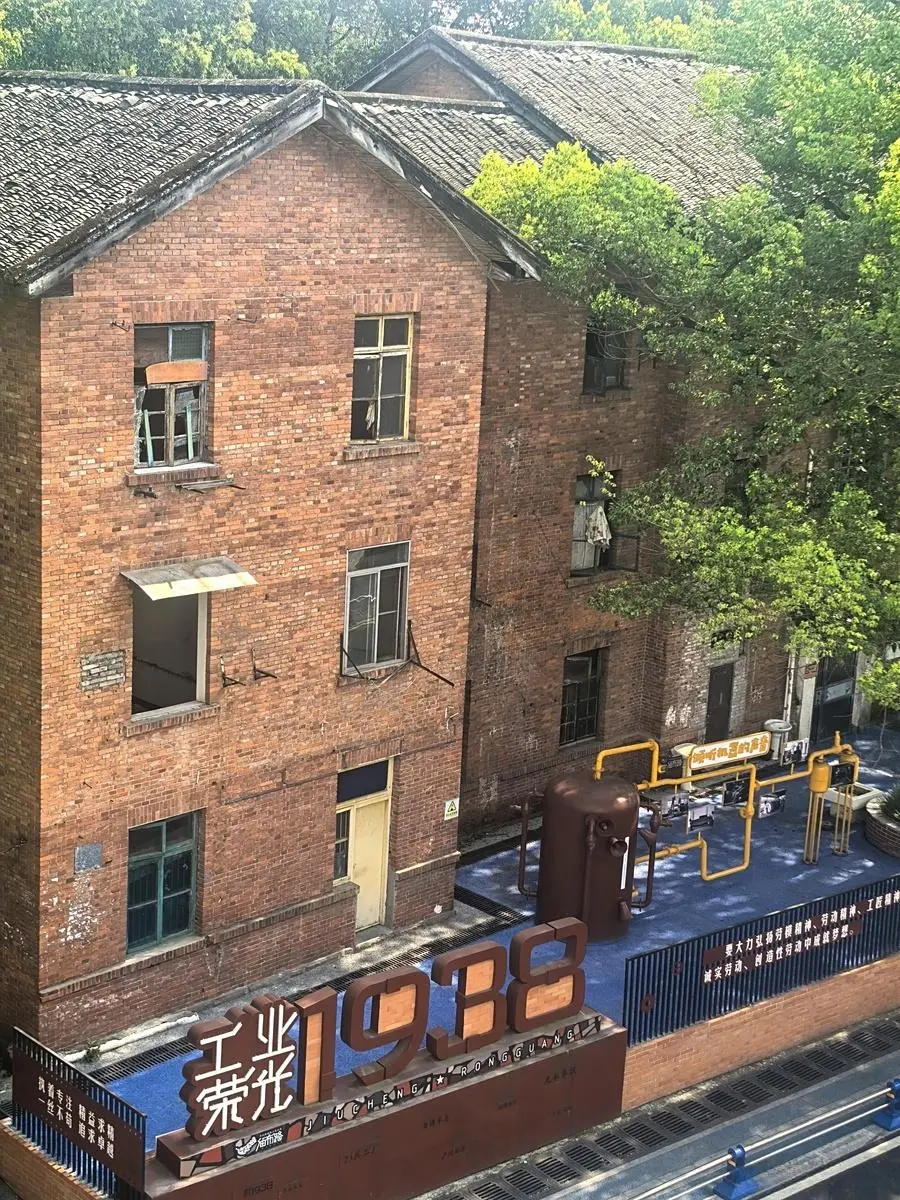
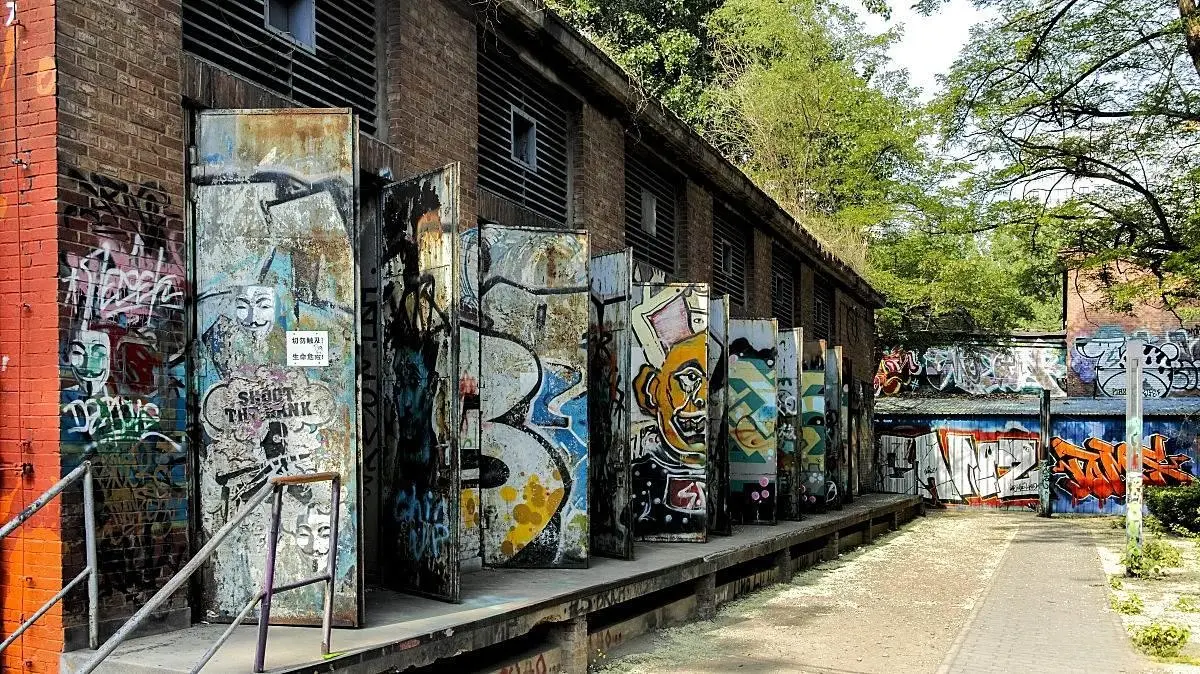
Once a 1930s textile factory, this repurposed space is a hub for Chongqing’s creative scene. Explore red-brick warehouses filled with art galleries, DIY workshops (try making hot pot base, 88 CNY), and boutique shops. The rooftop offers panoramic views of the Yangtze River—grab a 38 CNY latte at a cliffside café and watch light rails pass below. Don’t miss the Old Factory Memory Museum to learn about the site’s history.
Traditional Tea Houses
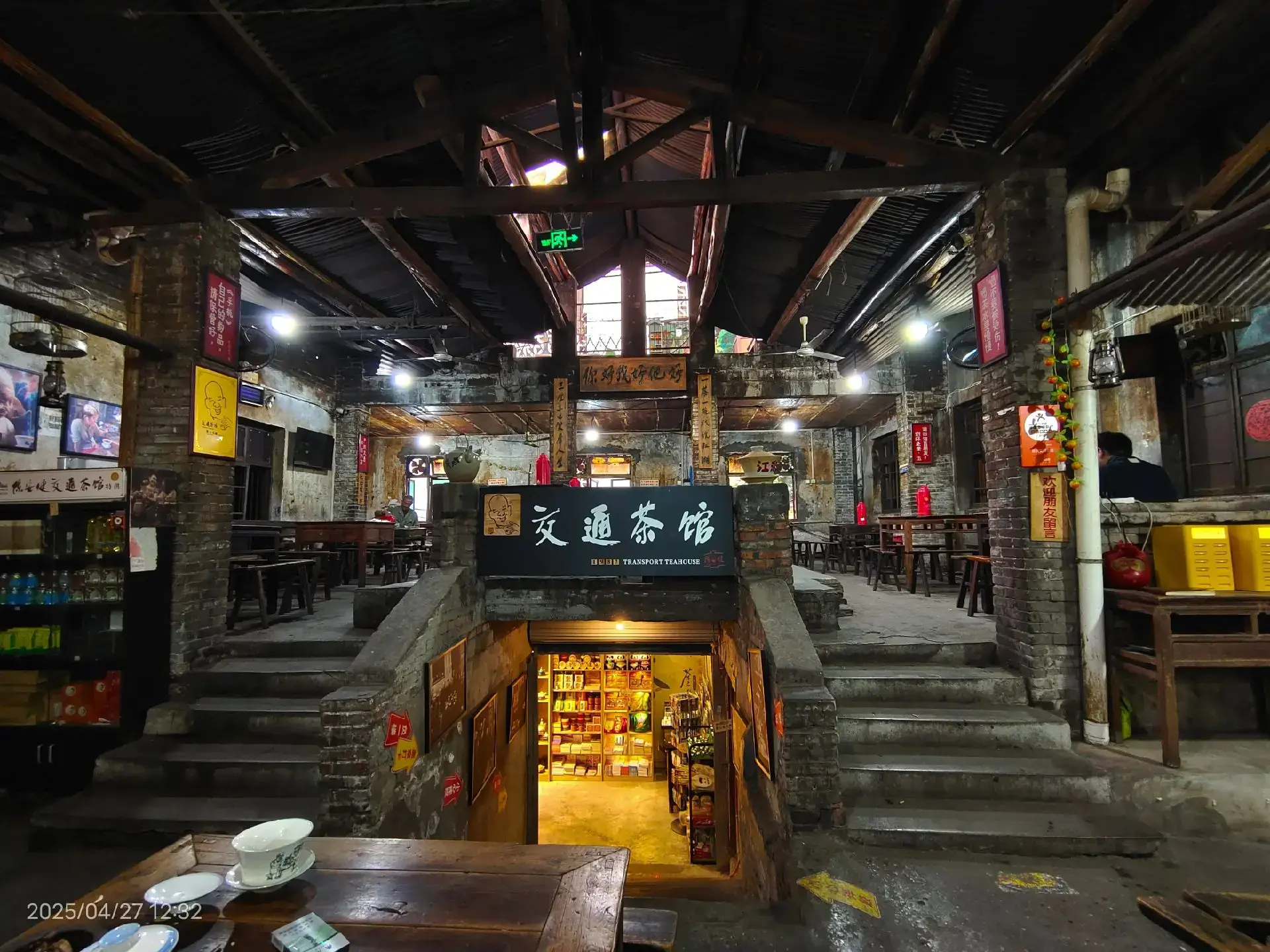
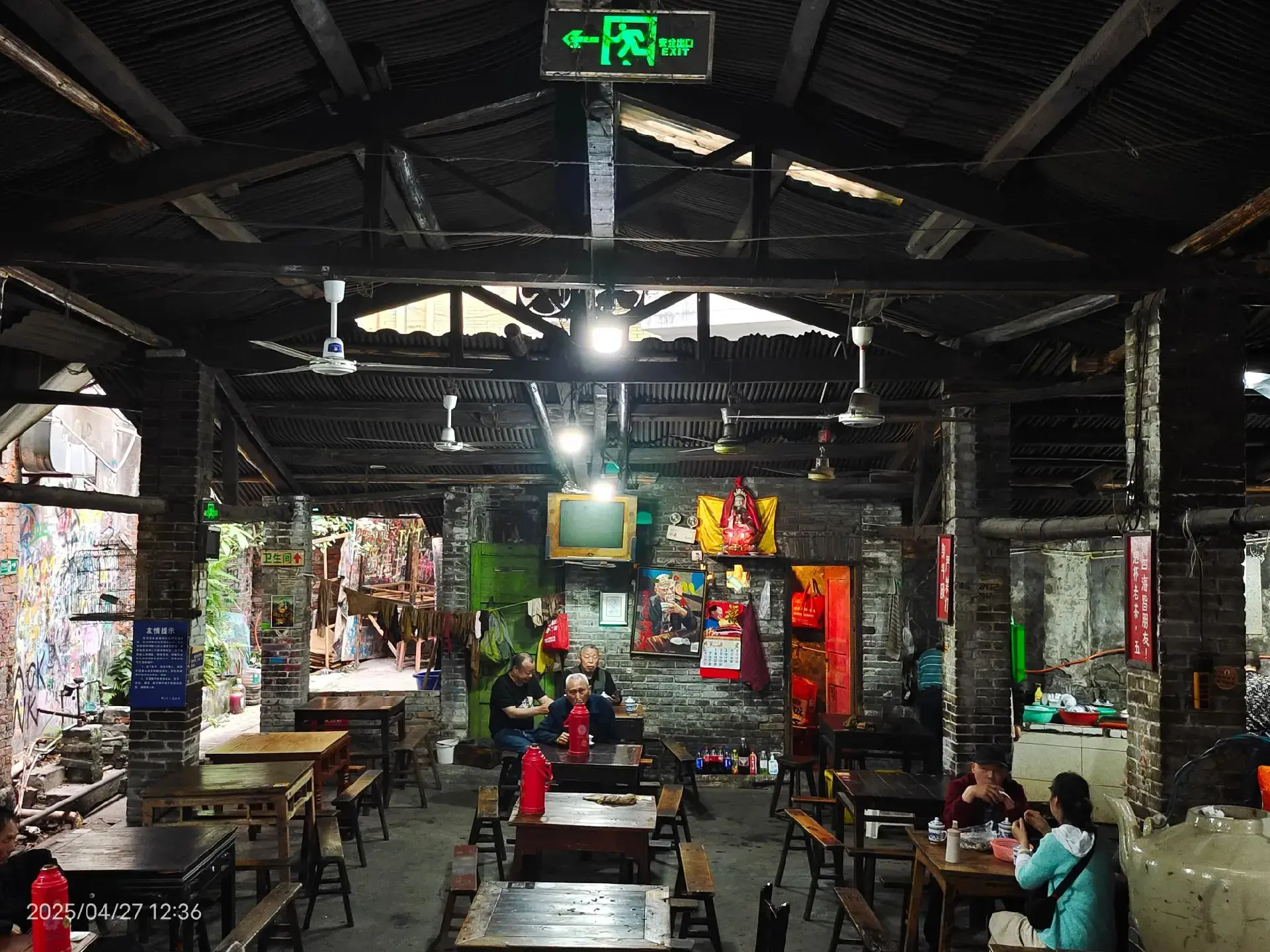
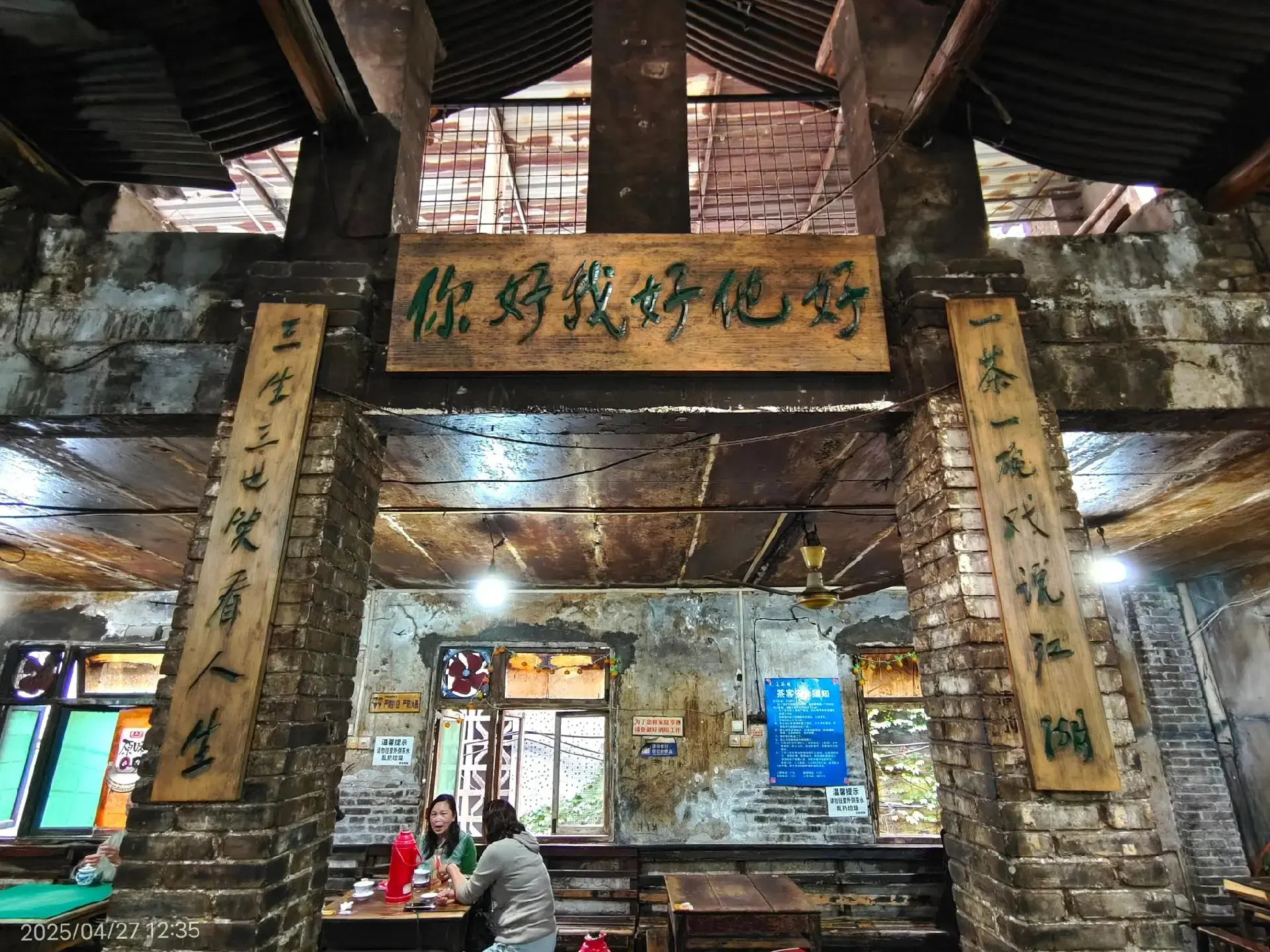
Tea culture is at the heart of Chongqing life. Visit Shunxing Old Teahouse (in Jiefangbei) for a classic experience: sip jasmine tea (20 CNY) from porcelain cups, eat snacks (snacks like spicy dried tofu), and watch Sichuan opera face-changing. The 19:30 show (68 CNY per person) includes acrobatics and folk music—locals often bring families, so it’s a lively, welcoming atmosphere.
Culinary Delights: Chongqing’s Spicy Soul
Chongqing’s food is famous for its spicy and numbing flavors—fuel for climbing hills and exploring. These dishes are non-negotiable.
Chongqing Hot Pot
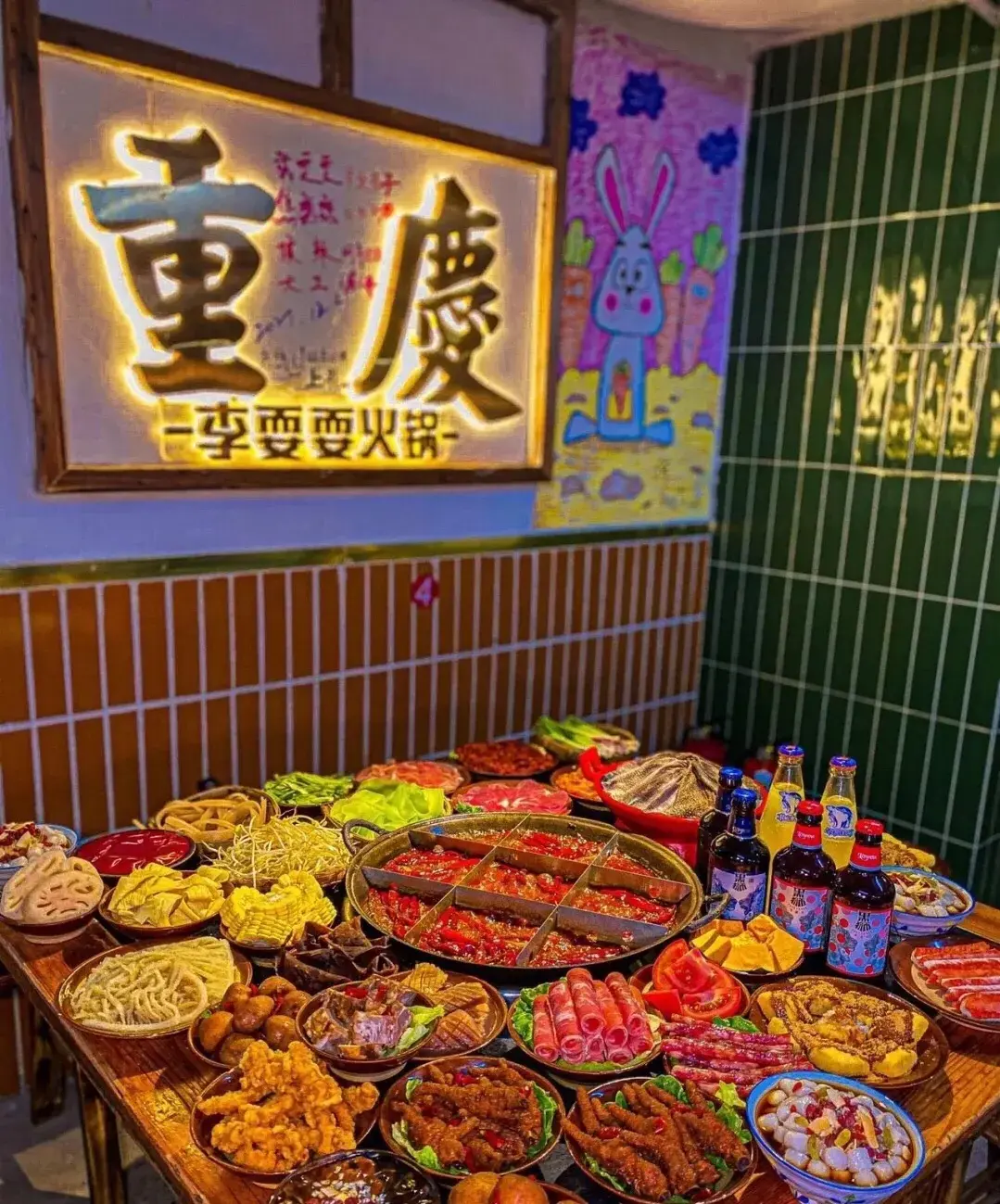
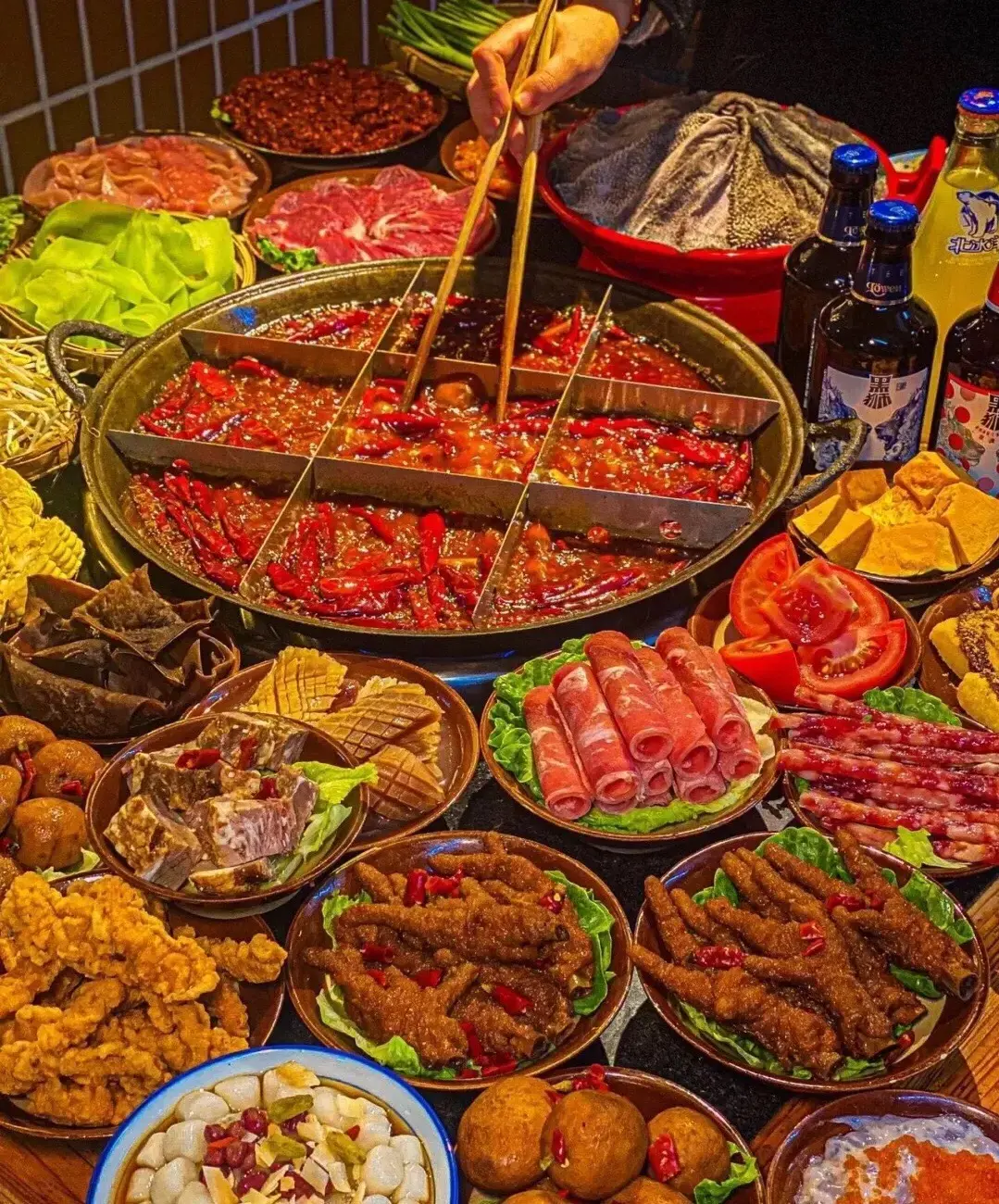
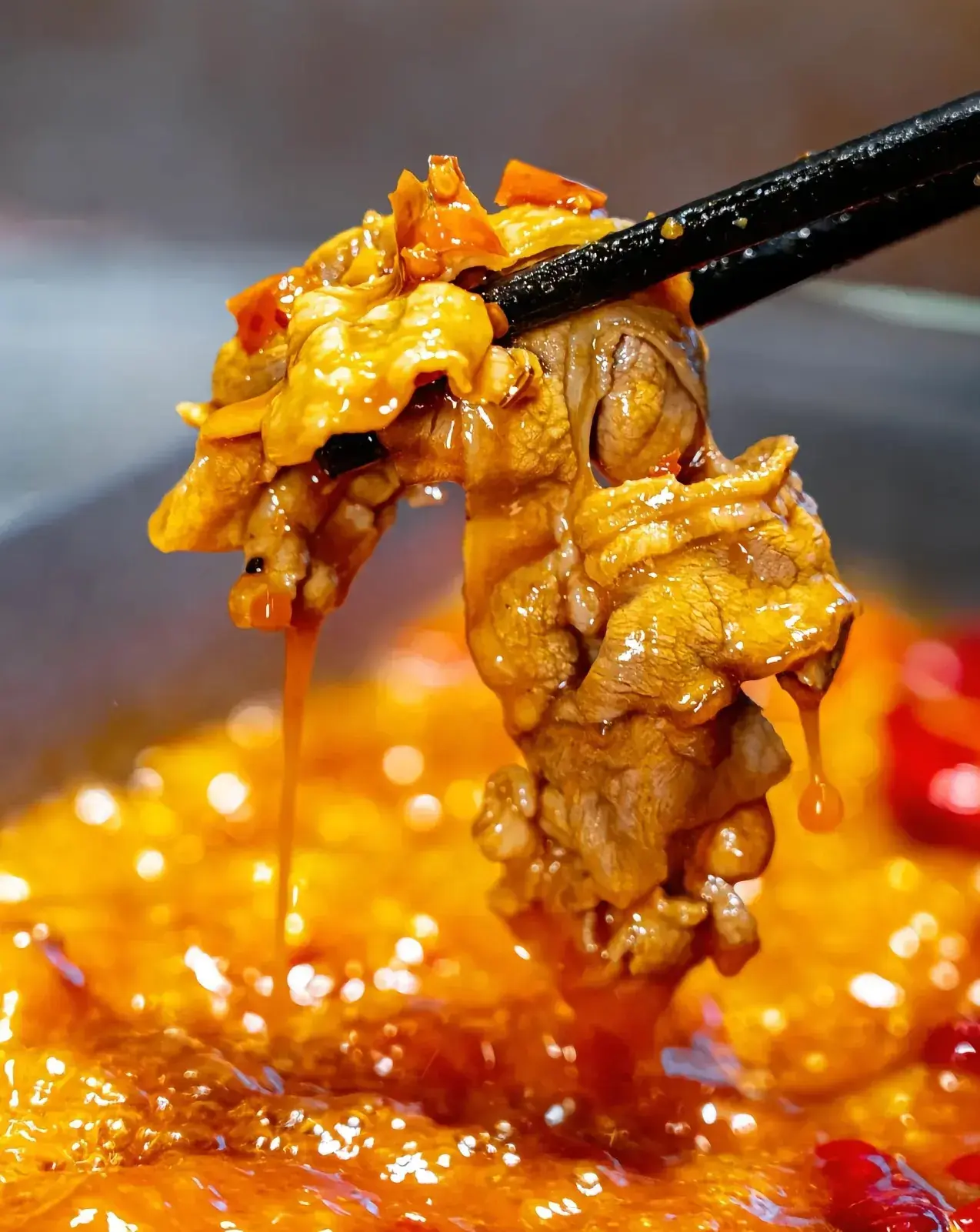
The city’s signature dish: a bubbling pot of beef tallow broth packed with Sichuan peppercorns and chilies. Order beef tripe, duck intestines, and pig aorta—dip them in sesame oil sauce to cool the spice. For beginners, try a split pot: spicy on one side, mild on the other.
Street Food Classics
Chongqing’s streets are a food lover’s paradise:
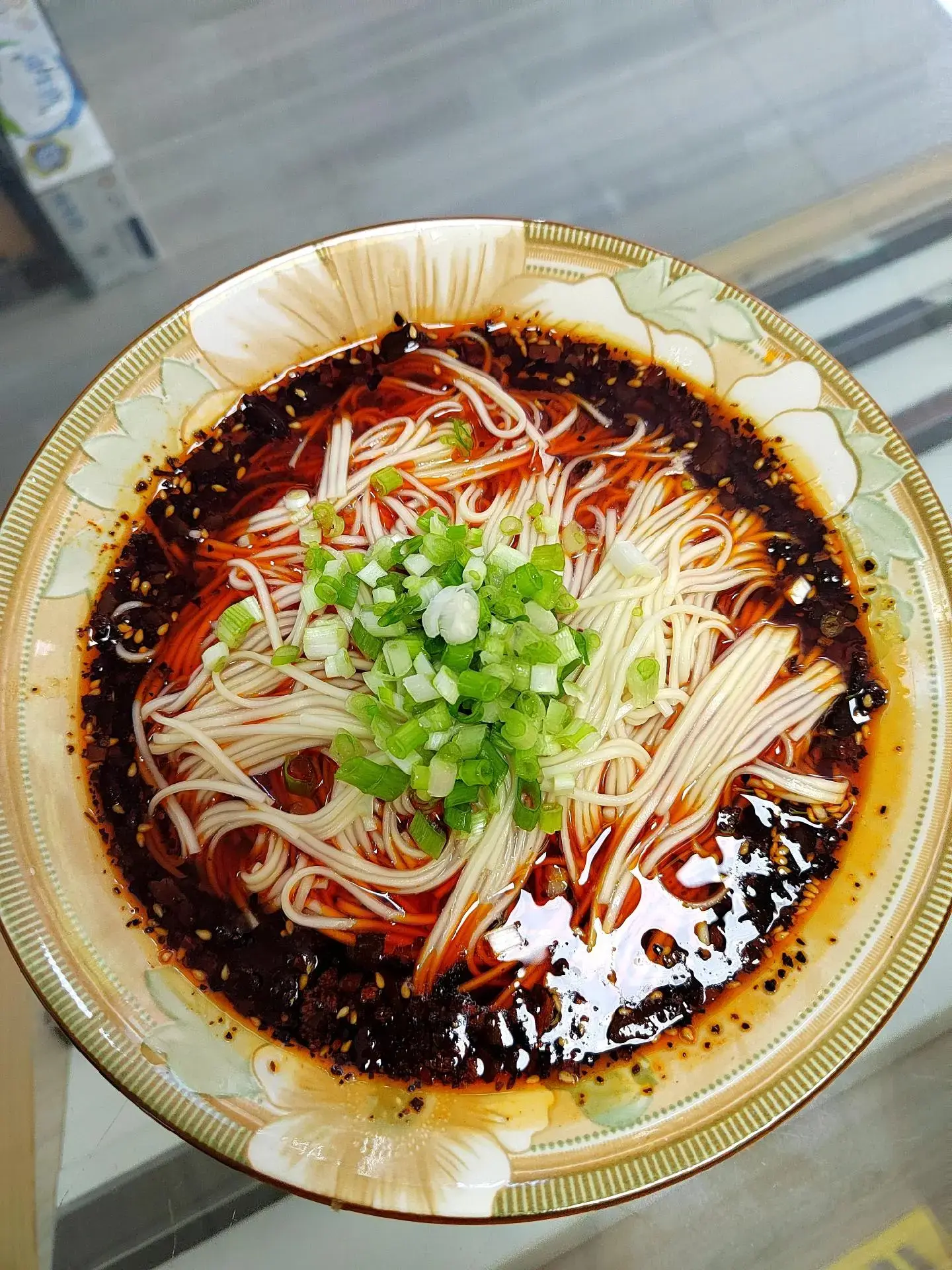
Chongqing Noodles: Spicy broth with wheat noodles, minced pork, and pickled vegetables (8–12 CNY). Try it at Huashi Pea and Minced Pork Noodles in Jiefangbei.
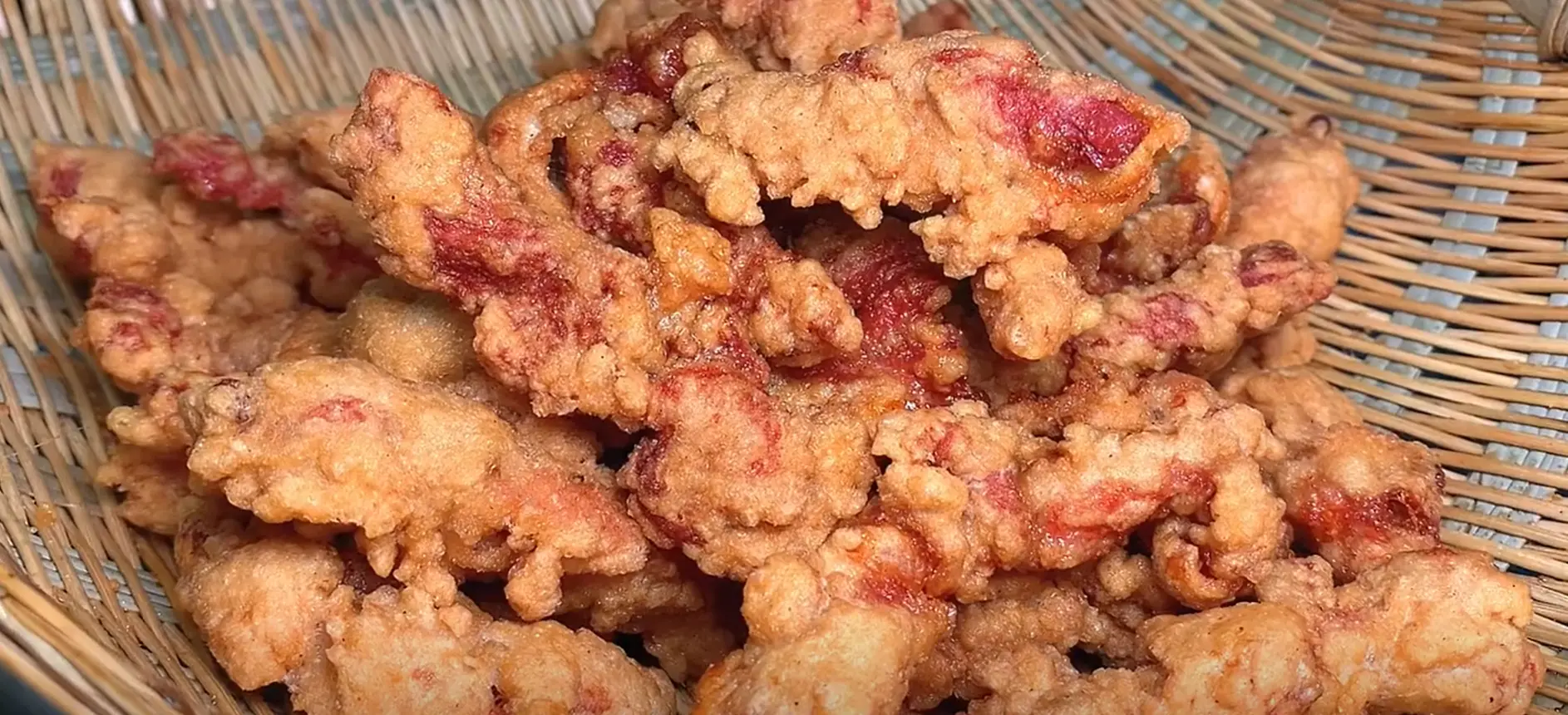
Ghost Crispy Pork: Crispy fried pork strips seasoned with chili (20 CNY). Find it at street stalls near Ciqikou.
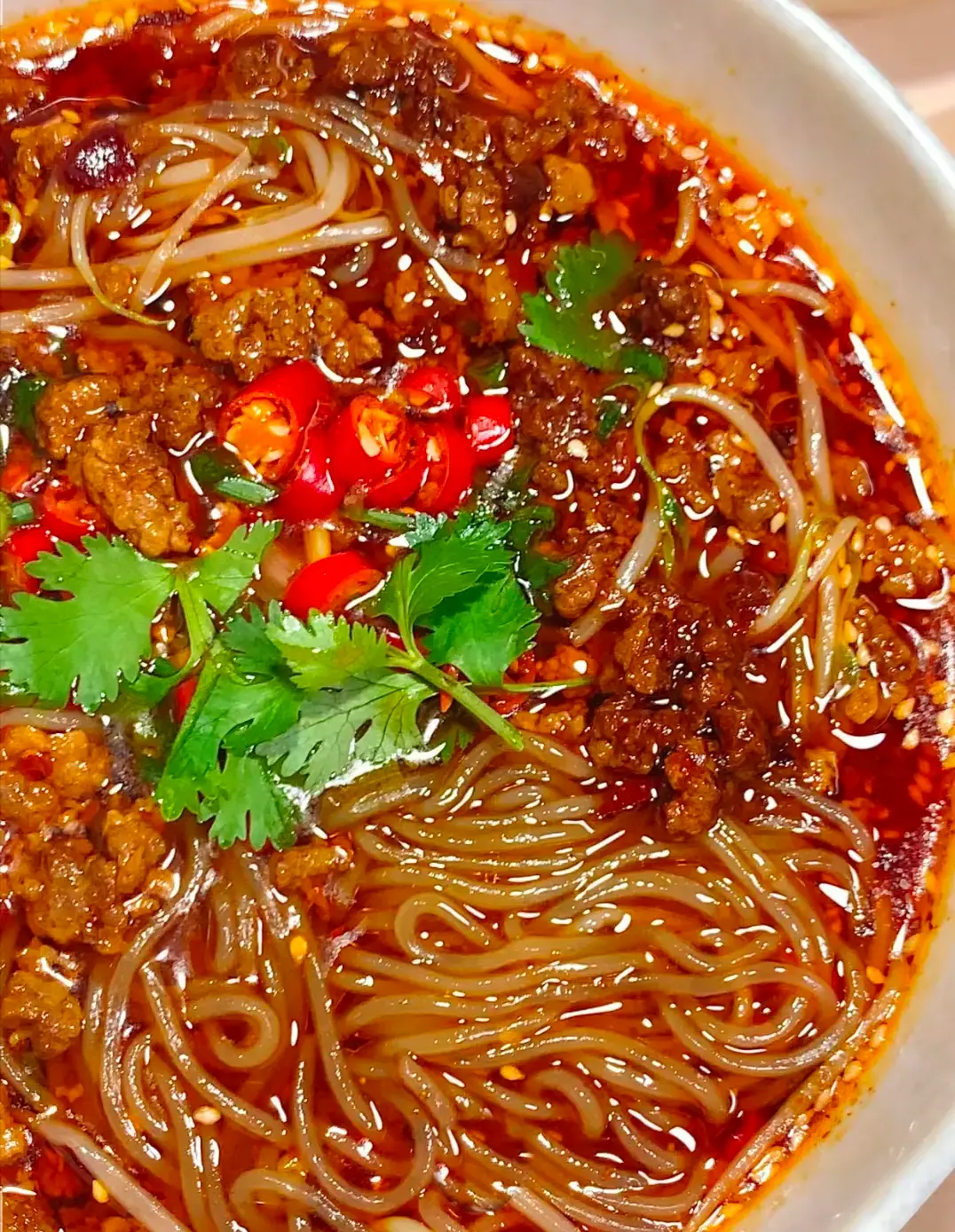
Hot and Sour Vermicelli: Tangy, spicy noodles with peanuts and bean sprouts (10 CNY)—a staple at Bayi Food Street.
Local Snacks
Save room for sweets and savory bites:
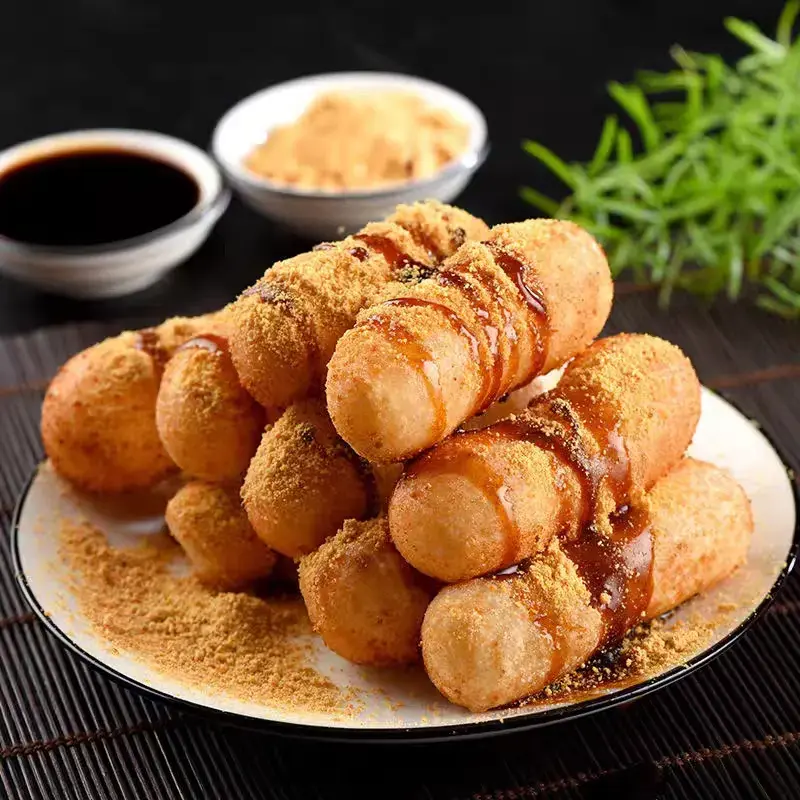
Brown Sugar Glutinous Rice Cakes: Fried cakes dipped in brown sugar syrup (10 CNY).
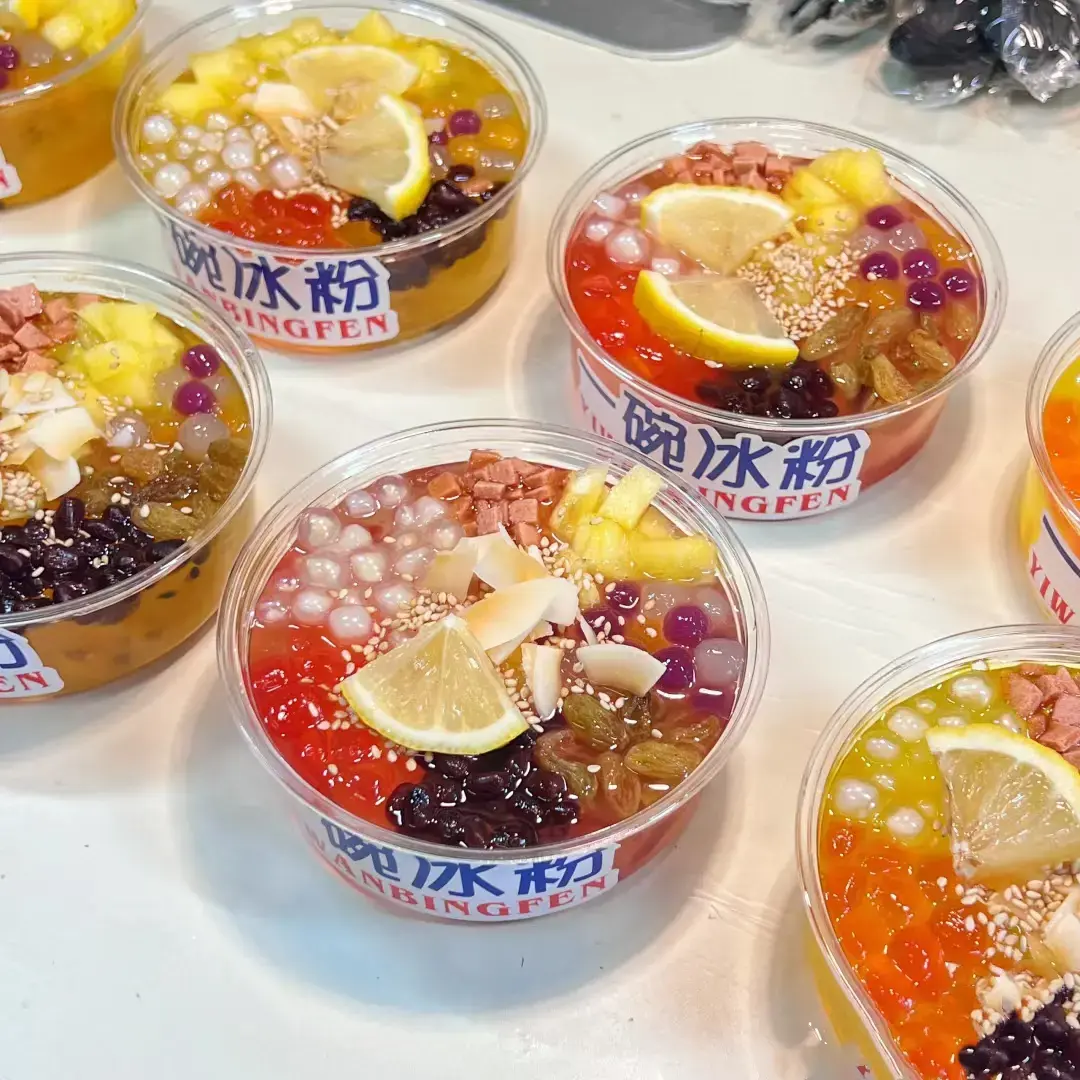
Bingfen: Cold jelly dessert with honey, peanuts, and fruit (8 CNY)—perfect for cooling down after spicy food.
Chen’s Fried Dough Twists: Salty or sweet, crispy twists (15 CNY/box)—a popular souvenir from Ciqikou.
Hidden Gems: Off-the-Beaten-Path Chongqing
Escape the crowds with these lesser-known spots, loved by locals for their tranquility and character.
Nanshan Botanical Garden
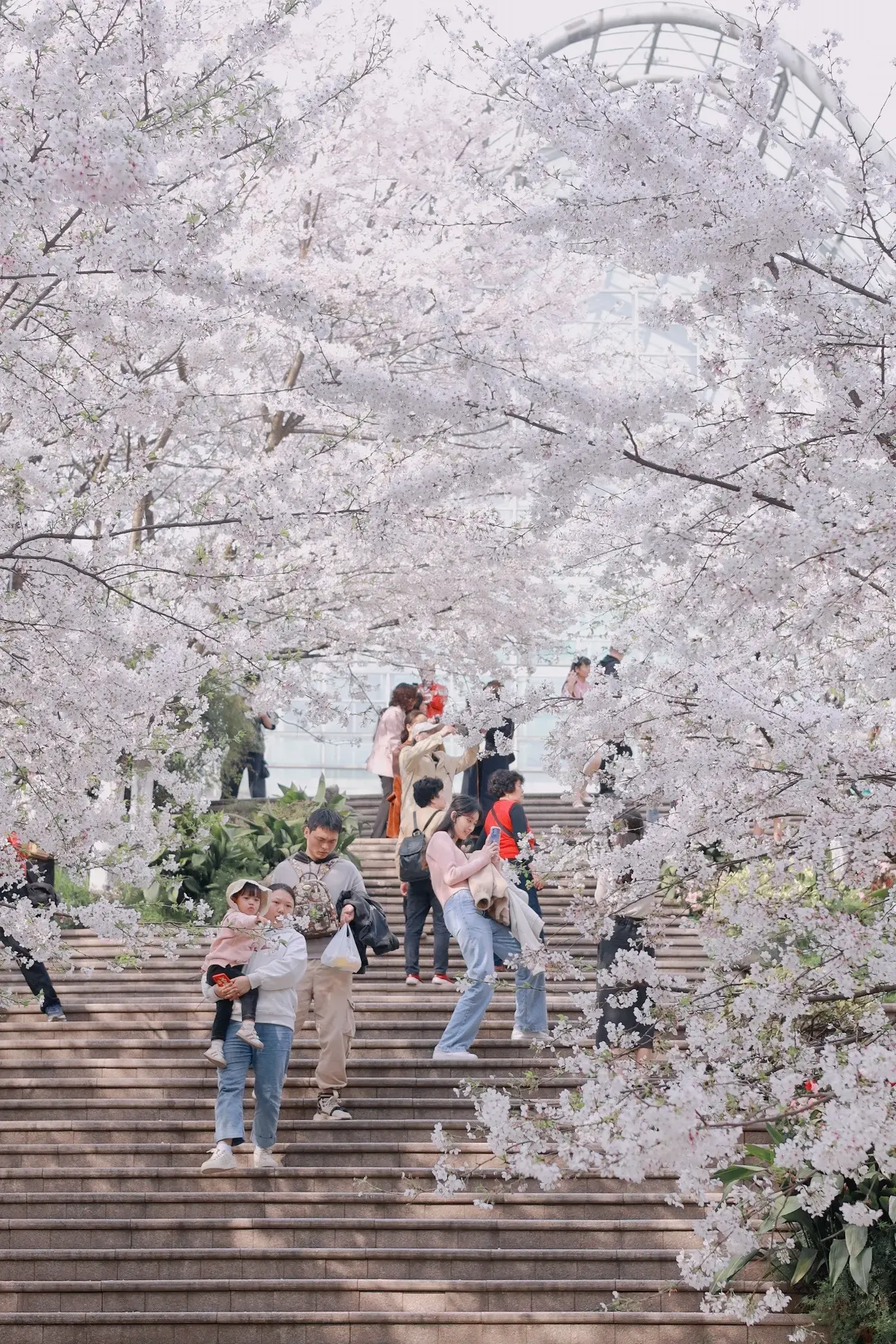
A 10-minute drive from downtown, this garden is a green oasis with over 6,000 plant species. Explore the Orchid Garden (best in spring) and Cherry Blossom Garden (March–April), then hike to the One Tree Viewing Platform for sunset views of Chongqing’s skyline. Pack a picnic—locals often spread blankets on the lawns on weekends.
Dadukou Industrial Heritage Park
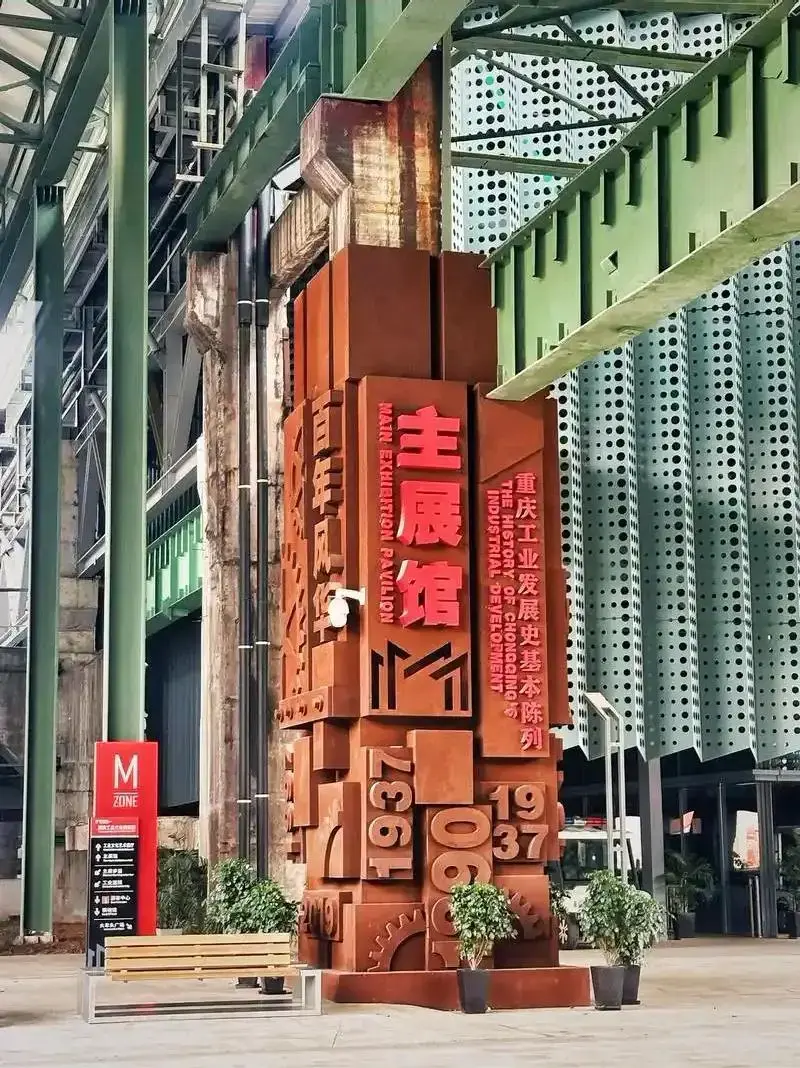
For history and photography lovers, this abandoned steel factory (1930s–2000s) is a hidden treasure. Explore rusted machinery, old factory buildings, and street art murals that tell the story of Chongqing’s industrial past. It’s free to enter—go early to avoid crowds and capture dramatic shots of light streaming through broken windows.
Jinfo Mountain
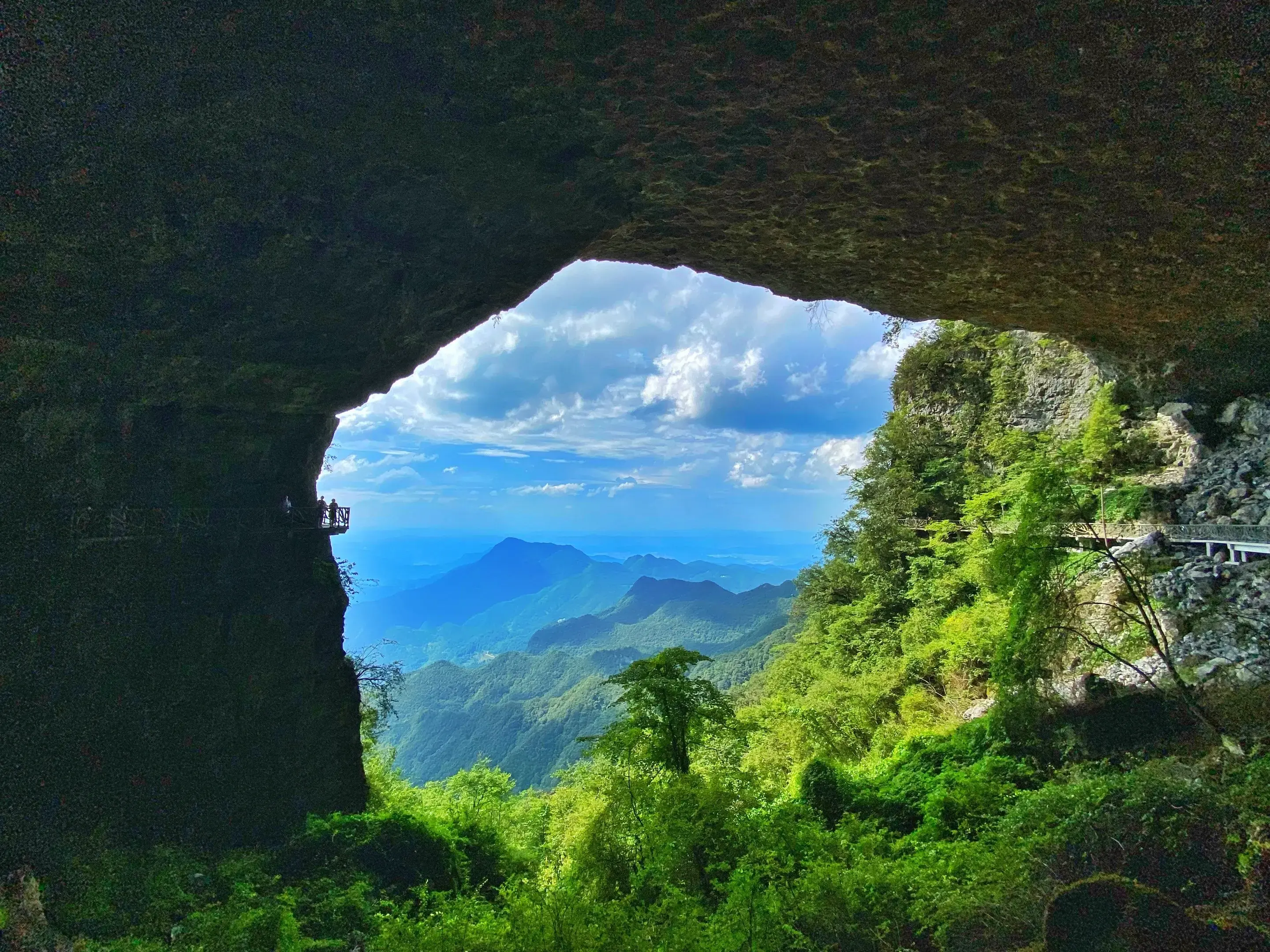
A 2-hour drive from downtown, Jinfo Mountain is a UNESCO Global Geopark known for its karst peaks and four-season scenery: cherry blossoms in spring, waterfalls in summer, red leaves in autumn, and snow in winter. Hike the Jinfo Road for views of the Golden Buddha Mountain peak, or take the cable car (80 CNY round-trip) for an easy ascent. It’s a peaceful alternative to more crowded natural sites.
Adventure Activities: Thrills in the Mountain City
Chongqing’s terrain is made for adventure—from river cruises to high-flying fun.
Yangtze-Jialing River Night Cruise
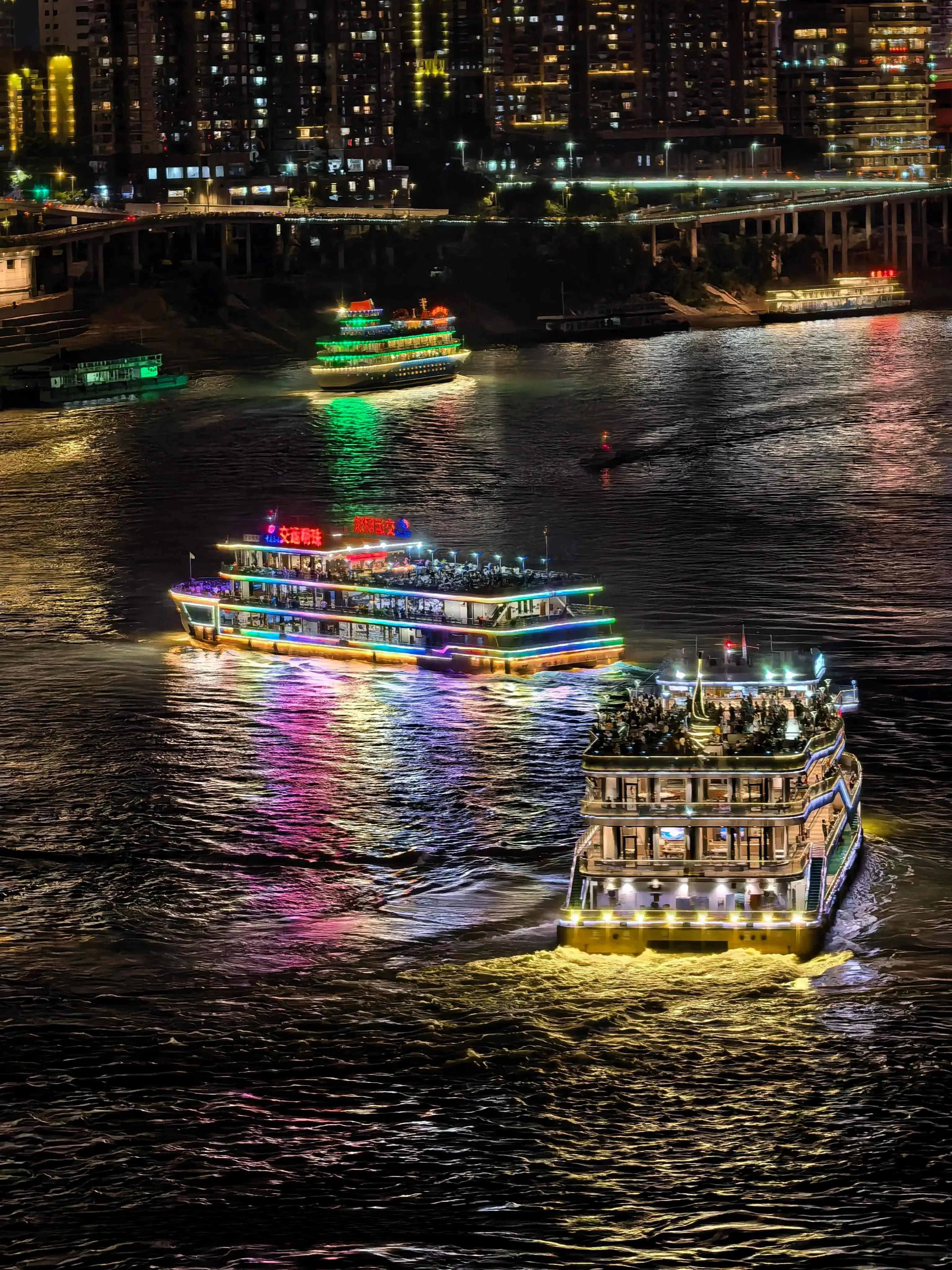
See Chongqing’s skyline glow from the water on a 1.5-hour cruise (120–200 CNY). Most cruises depart from Chaotianmen Wharf and sail past Hongyadong, Qiansimen Bridge, and Nanbin Road. Opt for a luxury cruise with dinner, or a budget-friendly sightseeing boat—either way, the views of neon-lit buildings reflecting in the rivers are unforgettable.
Mountain City Trail
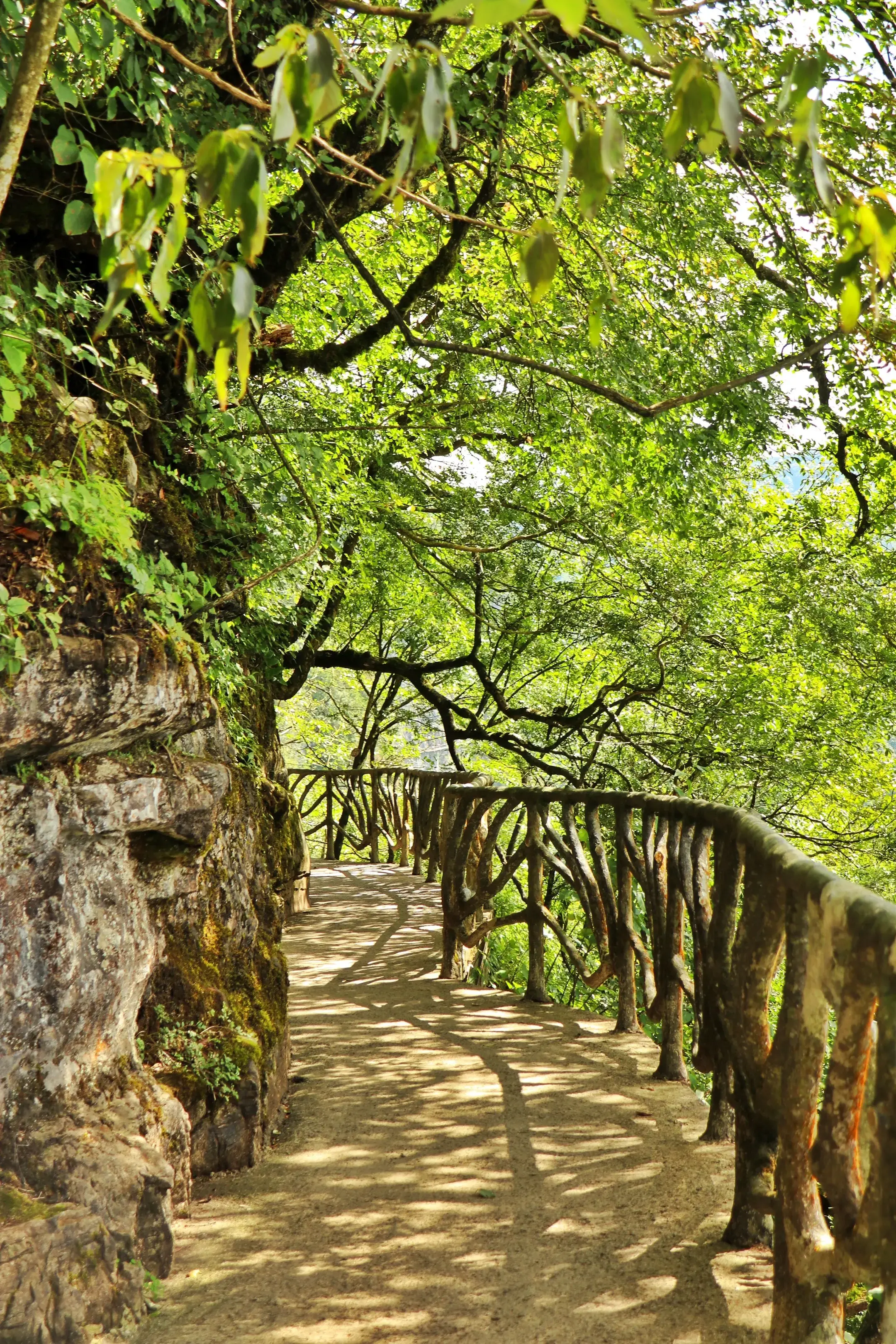
Chongqing’s famous “hiking street” connects Lianglukou to Jiefangbei via steep stone steps and alleyways. Along the way, you’ll pass old stilt houses, local markets, and air-raid shelters from WWII. Stop at Mountain City Trail Museum to learn about the trail’s history, then reward yourself with a bowl of cool rice cake at a street stall.
Nanshan Paragliding
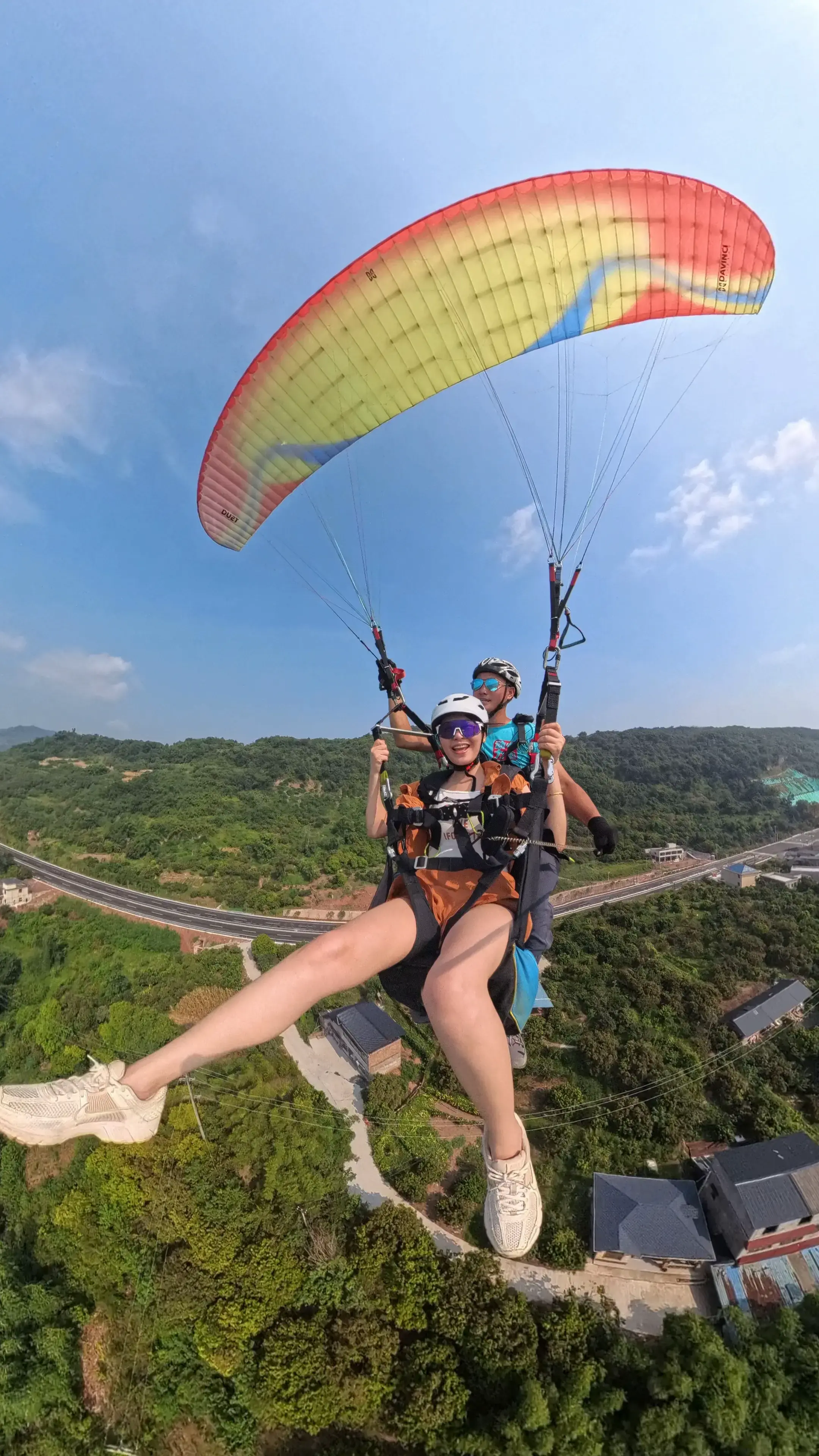
For adrenaline seekers, paragliding over Nanshan offers bird’s-eye views of Chongqing’s mountains and rivers. Operators like Chongqing Nanshan Paragliding Base offer 15-minute flights (580 CNY per person) with certified instructors. The best time to go is early morning (calm winds)—you’ll soar over forests and get a unique perspective of the city below.
Practical Tips for Visiting Chongqing
Getting Around
- Metro: The fastest way to travel—Lines 1, 2, 3, and 6 cover most tourist areas. Buy a Chongqing Transportation Card for easy access, or use Alipay’s “Chongqing Transit Code”.
- Taxis/ride-hailing: Taxis start at 10 CNY (3 km), and Didi (Chinese Uber) is widely available. Avoid rush hour (7:30–9:00 AM, 5:30–7:30 PM)—traffic jams are common on hills and bridges.
- Light Rail: Line 2’s Liziba Station is famous for trains passing through a residential building—ride it for a unique experience!
Best Times to Visit
- Spring (March–May): Mild weather (15–25°C), cherry blossoms, and less rain.
- Autumn (September–November): Cool temperatures (18–28°C), clear skies, and red leaves on Jinfo Mountain.
- Avoid: Summer (June–August, 30–40°C, humid) and winter (December–February, 5–12°C, foggy).
Language & Etiquette
- Basic Phrases: 你好 (nǐ hǎo = hello), 谢谢 (xiè xiè = thank you), 多少钱 (duō shǎo qián = how much?), 微辣 (wēi là = mild spice).
- Etiquette: Wait in lines (especially for hot pot and metro), remove shoes if entering a local home, and avoid touching people’s heads (considered rude).
- Translation Apps: Use Google Translate or Youdao Dictionary for menus and directions—many locals don’t speak English.
FAQ
What’s the best way to avoid crowds at Hongyadong?
Visit after 21:00 (most tourists leave by then) or on weekday mornings (10:00–12:00) to explore the shops without crowds.
Is Wulong Karst easy to visit independently?
Yes—take a bus from Sìgōnglǐ Coach Station to Wulong (2.5 hours, 60 CNY), then a local bus to the geopark. Alternatively, book a 1-day tour (200–300 CNY) for transportation and tickets.
Can I eat non-spicy food in Chongqing?
Absolutely! Look for non-spicy options like tomato soup, steamed fish, or wontons with clear broth. Many restaurants offer mild alternatives.
What’s a unique souvenir from Chongqing?
Buy hot pot base from Qiaotou Hot Pot Base or Dezhuang Hot Pot Base—they’re vacuum-sealed for travel. Hand-painted Sichuan opera masks from Ciqikou are also popular.
Chongqing is a city that surprises at every turn—whether you’re hiking its hills, savoring its spicy food, or marveling at its skyline. With this guide, you’ll uncover its most beloved spots and hidden treasures, creating memories that last a lifetime. Pack your sense of adventure (and a tolerance for spice!)—the Mountain City awaits.