Chongqing’s One-of-a-Kind Check-In Spots: Exploring the “8D Mountain City” Like a Local
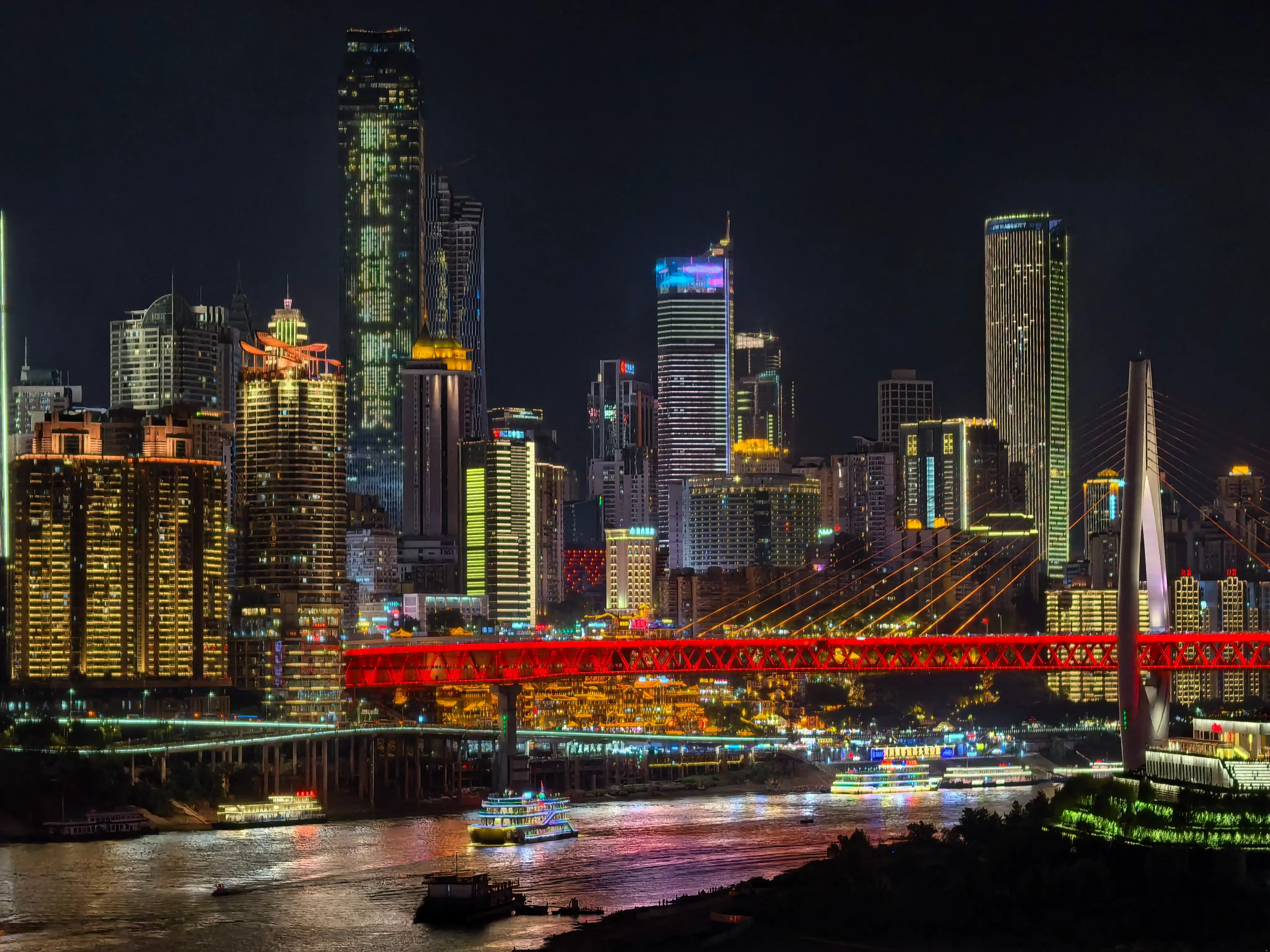
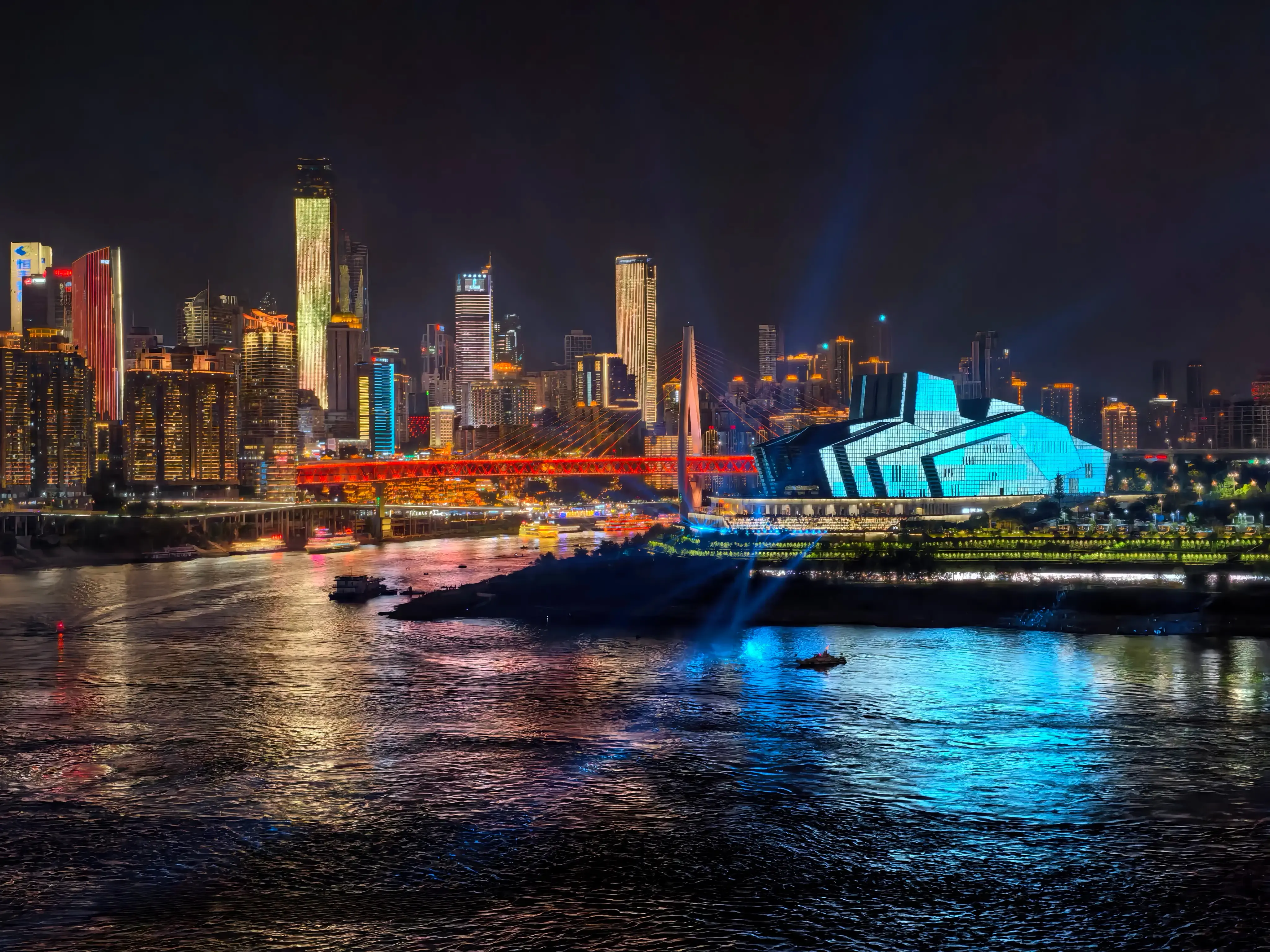
If you have ever envisioned a city where subways dash through apartment complexes, skyscrapers cling to hillsides, and nighttime views resemble those right out. of a Studio Ghibli film — your response is Chongqing. Due to its distinctive 8D terrain and one-of-a-kind monuments, this energetic metropolis in southwest China is more than a travel destination—it’s a sensory trip. Forget “ordinary” sightseeing; these locations are exclusively in Chongqing, and they will definitely make your Instagram feed—and memories—stand out. Let’s get started.
1. Hongya Cave: A “Spirited Away” Village Come to Life
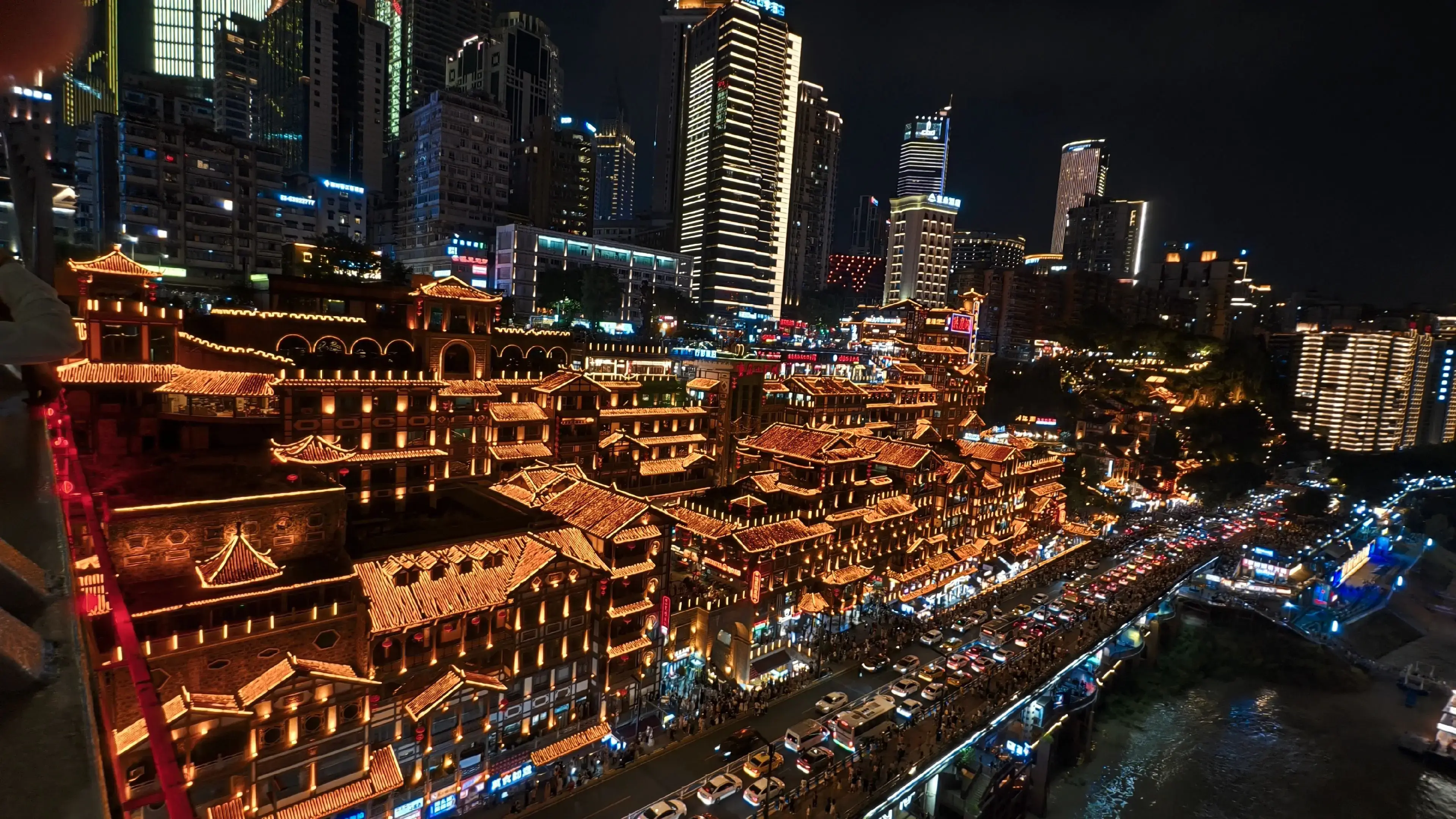
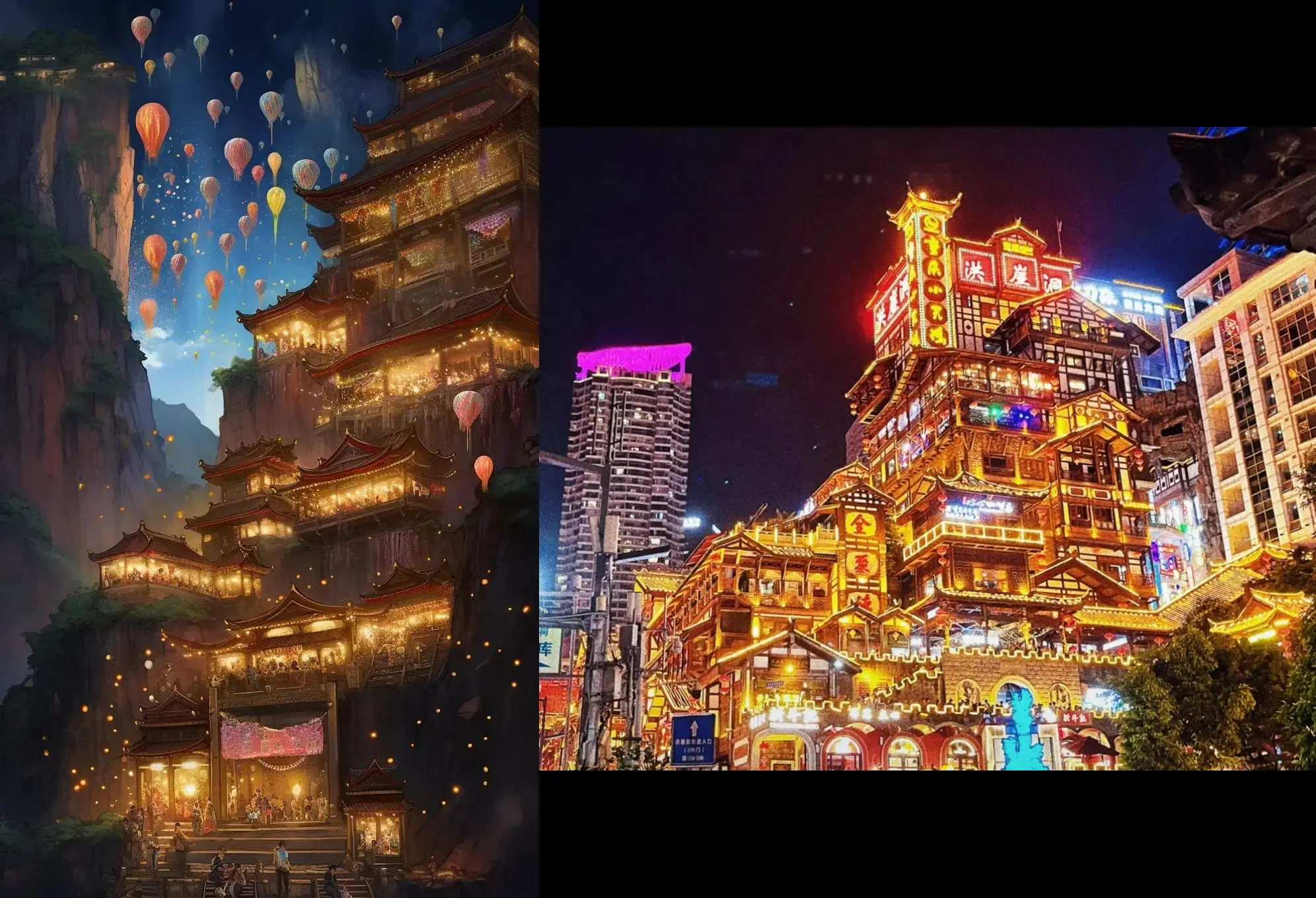
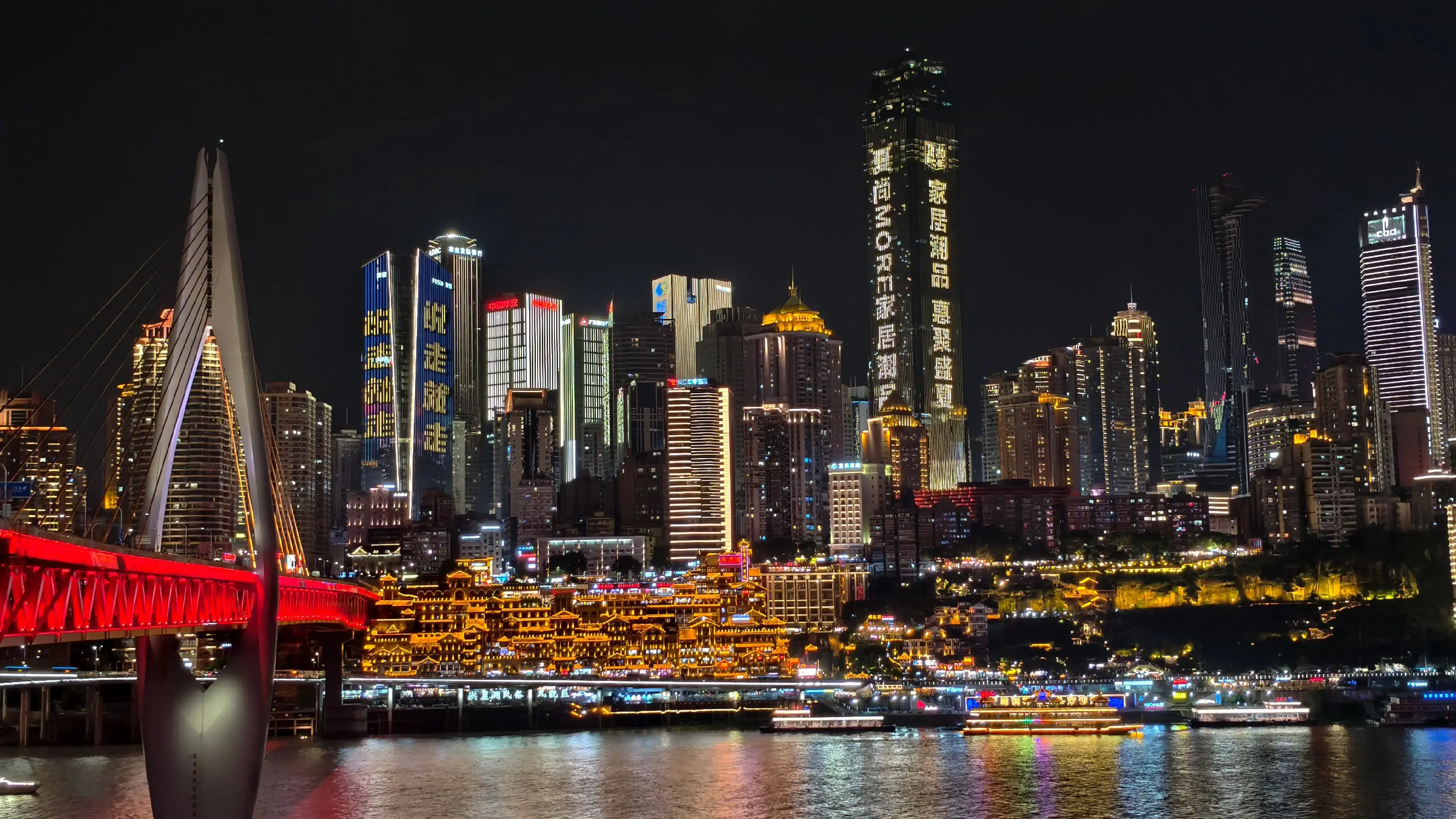
You have most likely viewed Hongya Cave’s neon-lit frontages extensively on social media, but nothing prepares you for witnessing it in person. Built right into the side of a cliff along the Jialing River, this 11-story building is a contemporary interpretation of Chongqing’s historic “stilt houses”, not a theme park.
Why it’s unique:
Hongya differs from any other Chinese architectural landmark. Cave combines modern lighting with antique workmanship. It’s a tangle of wooden paths, neighborhood craft stores, and teahouses where you may sip chuan cha (Sichuan tea) and observe boats pass by by day. By night? At 7 PM, thousands of crimson lanterns and LED strips transform the entire complex into a brilliant wonderland so much like the People sometimes refer to the bathhouse in Spirited Away as the “real-life version” of the film.
Pro tips for check-in:
- Skip the busy main entrance! Go to the 11th floor (accessible by elevator from the street above) and stroll down; this way you avoid lines and get better river views.
- To capture the best images, travel the Jialing River Bridge or stop by Hongya Cave Observation. Deck over the road is free and less busy than the cave itself.
2. Liziba Light Rail Station: When Subways Go Through Buildings
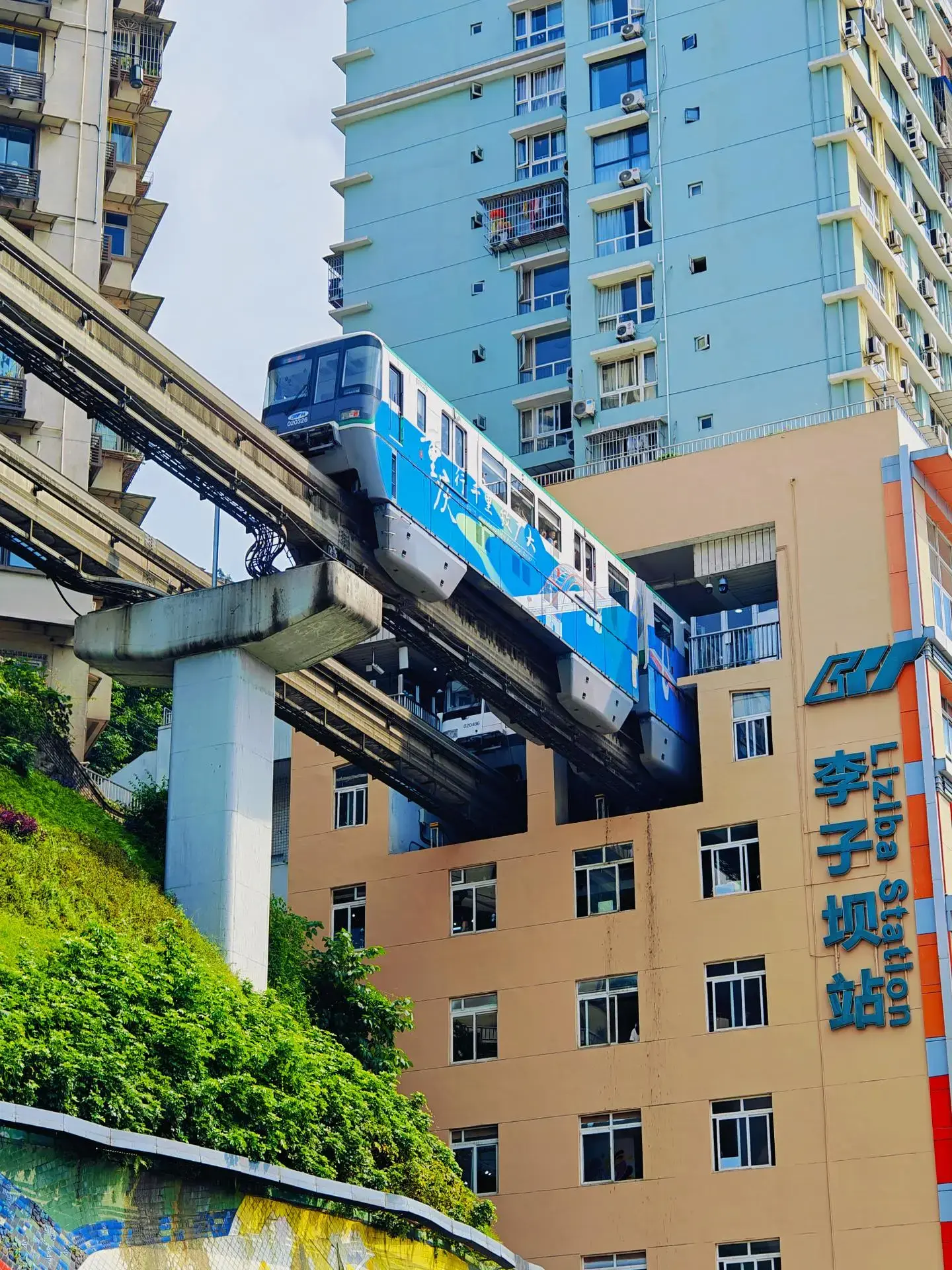
Public transportation in Chongqing cannot be “normal” because of its hills; Liziba Station is its most well-known illustration. Line 2 of the Chongqing Light Rail passes directly through the 6th to 8th stories of a residential structure rather than only next to it.
Why it’s unique:
This is a realistic response to the mountainous terrain of Chongqing, not a gimmick. The building was built around the rail line; soundproofing helped to guarantee quiet living for the tenants. One of those “only in Chongqing” experiences that seems surreal is watching the brilliant yellow train slowly (no need to panic!) slide into the building.
Pro tips for check-in:
- For images/videos, the best location is the official Liziba Observation Platform across from the station. Arrive before 10 AM to escape the throng.
- For a more intimate encounter, Line 2 from Liziba to either Lianglukou or Jiaochangkou Station is best—riding through the building yourself feels like a small rollercoaster!
- Have a coffee at one of the restaurants close to the observation deck; their windows are ideally angled for train-watching.
3. Yangtze River Cableway: A “Flying Bus” Over the River
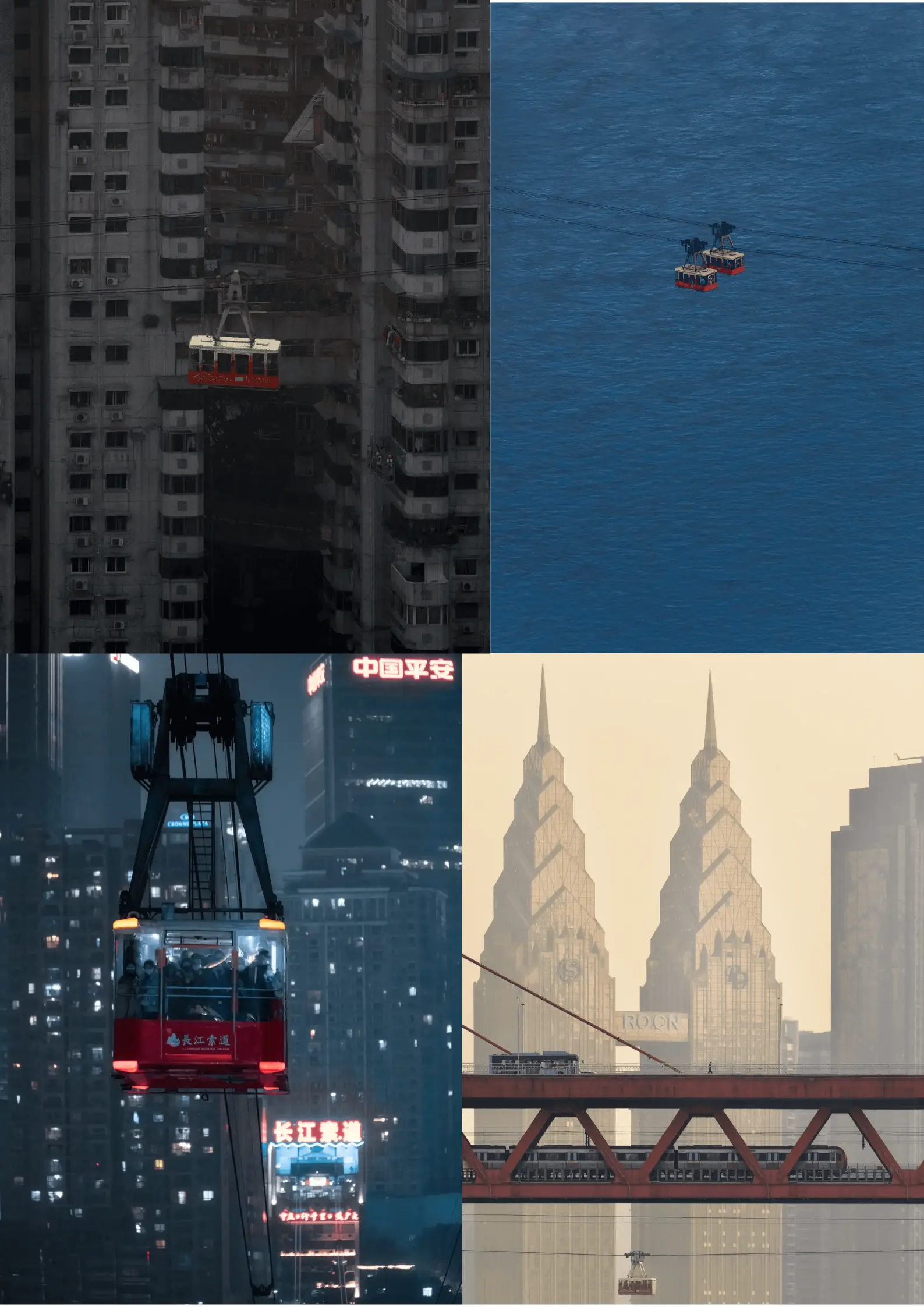
Prior to the ascendancy of bridges across Chongqing, the Yangtze River Cableway was a crucial means for residents to get across the river. This essential must-do attraction lets you view the city from a bird’s-eye perspective—without the expense of a helicopter.
Why it’s unique:
It’s a part of Chongqing’s past; it’s not only a cable car. With sweeping vistas of skyscrapers, bridges, and the river below, the 4-minute journey covers 116 meters over the Yangtze River and supports up to 80 people in the red-and-white cabins. On bright days, you may even be able to witness the confluence of the Yangtze and Jialing Rivers.
Pro tips for check-in:
- Nanshan station is close to the Nanshan Botanical Garden; Xinmin Street is adjacent to Jiefangbei. Choose Nanshan instead; the lines at the Xinmin Street station are enormous; wait periods are shorter and the view is just as nice.
- To avoid the queue, purchase tickets ahead online via applications such Ctrip. A one-way ticket is less costly than a round-trip, and after you may take a taxi back to the downtown area.
- Visit golden hour (5–6 PM) for warm light and breathtaking river sunsets.
4. Eling 2nd Factory Cultural Park: Industrial Charm with a View
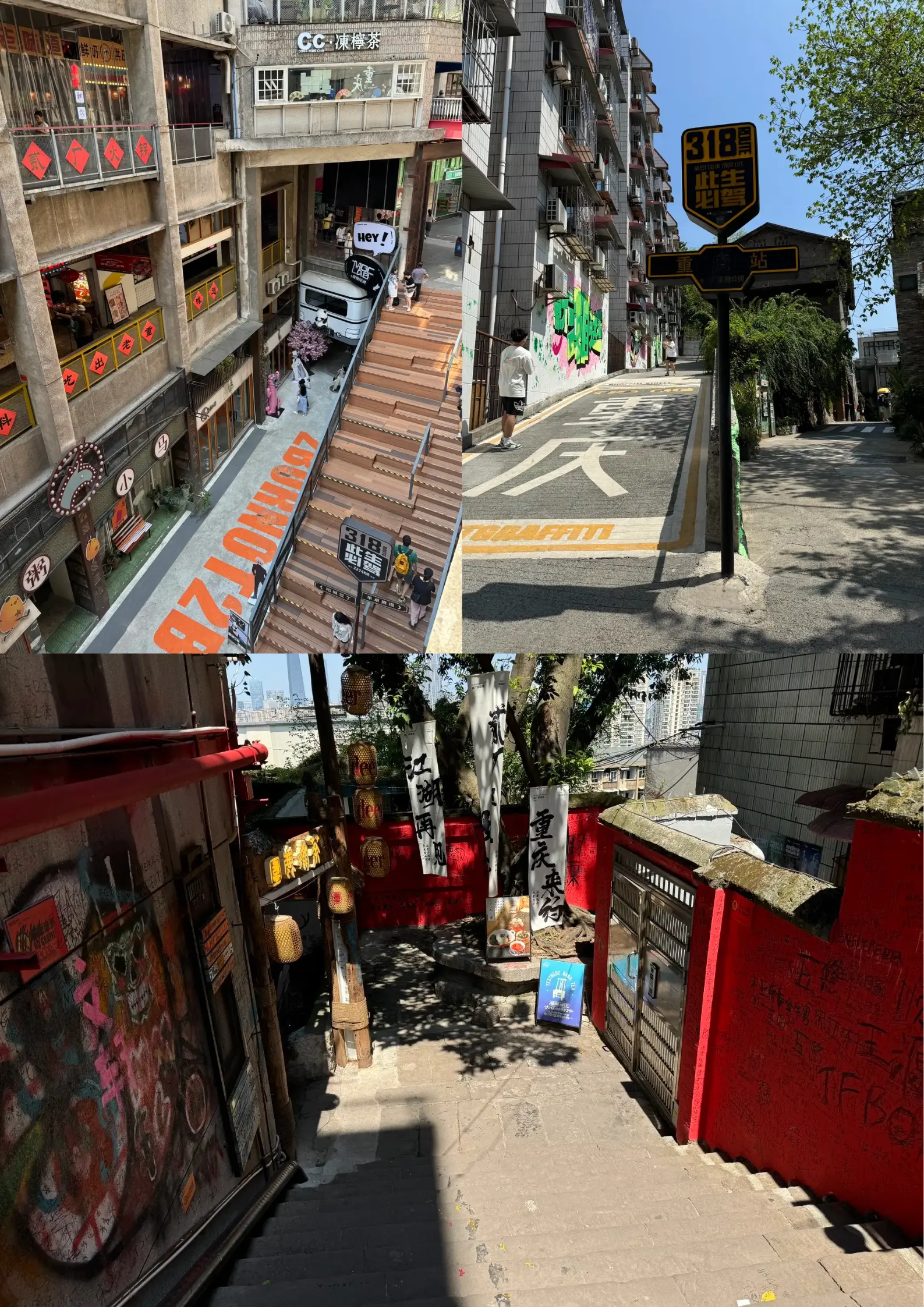
Eling 2nd Factory is a must if you enjoy urban exploration and Instagram-friendly backdrops. Abandoned for years, this ex-1930s textile factory was transformed into a fashionable cultural and creative park complete with exposed brick, rusting machinery, and rooftop patios offering amazing city views.
Why it’s unique:
It combines past and present flawlessly. The factory’s old buildings—including the high chimneys and concrete floors—are kept but are now used as coffee shops, art galleries, craft stores, even a bookshop. The true star? You can see the Yangtze River, Hongya Cave, and Chongqing’s cityscape all in one frame from the rooftop observation platform. It serves as a backdrop for the widely loved Chinese film I Belonged to You; fans will remember the roof scenes!
Pro tips for check-in:
- Wear comfy shoes—there are many stairs; Chongqing is, after all, a city with a lot of stairs.
- Inside the “Factory 1938” museum, explore the history of the park (admission free).
- The quintessential Chongqing mood is grabbing a latte from one of the rooftop cafes and resting there with a beverage while admiring the city below.
5. Daijia Lane Cliff Walk: Quiet Views of Old & New Chongqing
Escape to Daijia Lane—a hidden cliffside path only steps from the bustle—if Hongya Cave seems overly crowded. One side of this 1.5-kilometer path winds along the Jialing River hugging the cliff; the other faces the water.
Why it’s unique:
It offers a window onto “old Chongqing.” You will come across traditional stilt homes, local families hanging washing on their balconies, and little food stalls offering tangyuan (glutinous rice balls) and douhua (tofu pudding) along the path. Daijia Lane is quiet, ideal for decelerating and absorbing the everyday life of Chongqing unlike the city’s hectic monuments.
Pro tips for check-in:
- Walk up starting at the bottom ( near the 1st floor of Hongya Cave)—you will get incremental vistas of the city and the river.
- There are charming boutique hotels and tea shops where you might unwind. Stop at Daijia Lane Old Street midway.
- Go early from 8 to 10 a.m. when the lighting is gentle and the air is chilly.
Final Tips for Exploring Chongqing’s Unique Spots
- Chongqing is a “mountain city”;you will be climbing up and down hills all day (no flat sidewalks here!).
- Bring a power bank: Your phone will die rapidly since you will be photographing so much.
- Many of these attractions are very close to one another. Visit Liziba Station in the morning, stroll to Eling 2nd Factory for lunch, and finish at Hongya Cave and the Yangtze Cableway at night, for instance.
Chongqing is an adventure rather than simply a town. Its unusual check-in locations help you to see how culture, history, and geography interact to produce something actually original rather than only for pictures. Pack your baggage, tie your shoes, and prepare to fall in love with China’s most daring city.
Have you been to any of these places? Comment below! ✨