Say Goodbye to "Can't Hear Clearly" Troubles! Simple Ways to Protect Your Ear Health—More Effective with Use!
Hearing is an essential sense that enriches our lives, enabling us to connect with the world around us. However, many people face challenges related to hearing health, from everyday noises to more serious conditions that can impair auditory function. Understanding how to protect and maintain ear health is crucial for preventing hearing loss and ensuring a high quality of life. In this article, we will explore simple yet effective strategies to safeguard your ears, improve your hearing, and embrace a proactive approach to ear care. Say goodbye to those frustrating moments of miscommunication and muffled sounds, and discover how to prioritize your auditory well-being.
Understanding Hearing Health: The Importance of Ear Care
The Anatomy of the Ear
The ear is a marvel of biological engineering, like a tiny concert hall nestled in your head. It’s divided into three main parts: the outer ear (that’s the part everyone sees), the middle ear (home to the tiny bones that dance to the beat of sound), and the inner ear (where sound waves are magically transformed into nerve signals). Keeping this intricate system healthy is essential for clear hearing, and neglect can lead to unwanted surprises, like saying “What?” a lot more than you’d like.
Impact of Hearing Loss on Quality of Life
Imagine trying to enjoy your favorite movie, but instead of dialogue, all you hear is muffled noise and the occasional popcorn crunch. Hearing loss can significantly impact social interactions, emotional well-being, and even safety. It can lead to feelings of isolation and frustration, as you nod along in conversations, pretending you’re following when really, you just hope nobody asks you a question. Prioritizing ear care not only helps you hear better but can also enhance your overall quality of life.
Common Causes of Hearing Loss and Ear Troubles
Aging and Presbycusis
Age is a sneaky thief, isn’t it? As we grow older, our ears may start to lose their pizzazz, a condition known as presbycusis. This natural deterioration can make high-pitched sounds (like your favorite songs) harder to hear. While we can’t stop the clock, we can definitely stay informed and proactive about our ear health, making the most out of the years we have left to enjoy those sweet tunes.
Noise-Induced Hearing Loss
Loud noises can be the rebellious teen of ear health—fun at first, but it can lead to some seriously regrettable consequences. Prolonged exposure to loud sounds, whether from concerts, construction sites, or your neighbor’s intense karaoke nights, can cause permanent damage to your precious hearing. So next time you’re tempted to crank up the volume, remember: your future self will thank you for keeping it at a reasonable level.
Medical Conditions Affecting Hearing
Sometimes, our ears can be affected by pesky medical conditions. From ear infections to allergies, certain health issues can mess with hearing clarity. Even diseases like diabetes and hypertension can have their say in ear health. Staying on top of your overall health is vital—not just for your ears but also for your entire body. After all, we want to hear the world around us sing, right?
Simple Daily Habits to Protect Your Ears
Regular Ear Cleaning Practices
Just like you wouldn’t let a pile of laundry sit around, you shouldn’t let earwax build up in your ears! Routine ear cleaning is essential to prevent blockages and maintain hearing health. Remember, though—earwax is like that quirky friend who can be protective. A simple wipe with a cloth on the outer ear is often enough. For the love of all things holy, please avoid deep cotton swabs that can push wax further in like a stubborn kid on a swing!
Limiting Exposure to Loud Noises
If your ears start ringing after a rock concert, congratulations—you’ve earned a one-way ticket to noise-induced hearing loss land! Limiting exposure to loud noises is crucial for preserving your hearing. If you can feel the vibrations in your chest from the music, it’s time to take a step back (or at least put in some earplugs!). Your future self will thank you for those quieter moments.
Using Ear Protection Devices
If you work in a busy environment or enjoy loud activities, investing in ear protection devices is a smart move. Earplugs and noise-canceling headphones can be lifesavers, keeping your hearing safe while you listen to your favorite tunes or get your work done in peace. Think of them as your personal bodyguards, standing between you and the danger of loud sounds.
Best Practices for Safe Listening in Noisy Environments
Choosing the Right Headphones
Not all headphones are created equal, my friend! When selecting your audio gear, opt for models that provide noise isolation or cancellation. This way, you can listen to your favorite tracks without cranking the volume to ear-splitting levels. Plus, you’ll look cooler than ever with your stylish gear—music to your ears and to your aesthetic!
Understanding Volume Levels
If your neighbor can hear your music, it might be time to rethink your volume settings. A good rule of thumb is the 60/60 rule: listen at no more than 60% volume for no longer than 60 minutes. This sweet spot allows you to groove without putting your hearing at risk. Trust us; those ear-jarring levels don’t make you an instant DJ.
Taking Breaks from Continuous Sound Exposure
Just like your phone needs a break from charging, your ears need a break from sound exposure too. Make it a habit to take regular pauses from any noisy environments. Step outside for some fresh air or enjoy a moment of blissful silence—your ears will appreciate the mini vacation. After all, even the best concert needs an intermission!
The Role of Nutrition in Ear Health
Essential Vitamins and Minerals for Ear Function
Your ears might not be the first thing that comes to mind when you think about nutrition, but they definitely appreciate a well-balanced diet! Vitamins like A, C, E, and the B-complex group, alongside minerals like zinc and magnesium, play a crucial role in maintaining ear function. They help combat oxidative stress, which can damage the delicate structures in your ears. So, nourishing your body isn’t just good for your waistline; it’s also good for your hearing!
Foods to Incorporate for Better Hearing
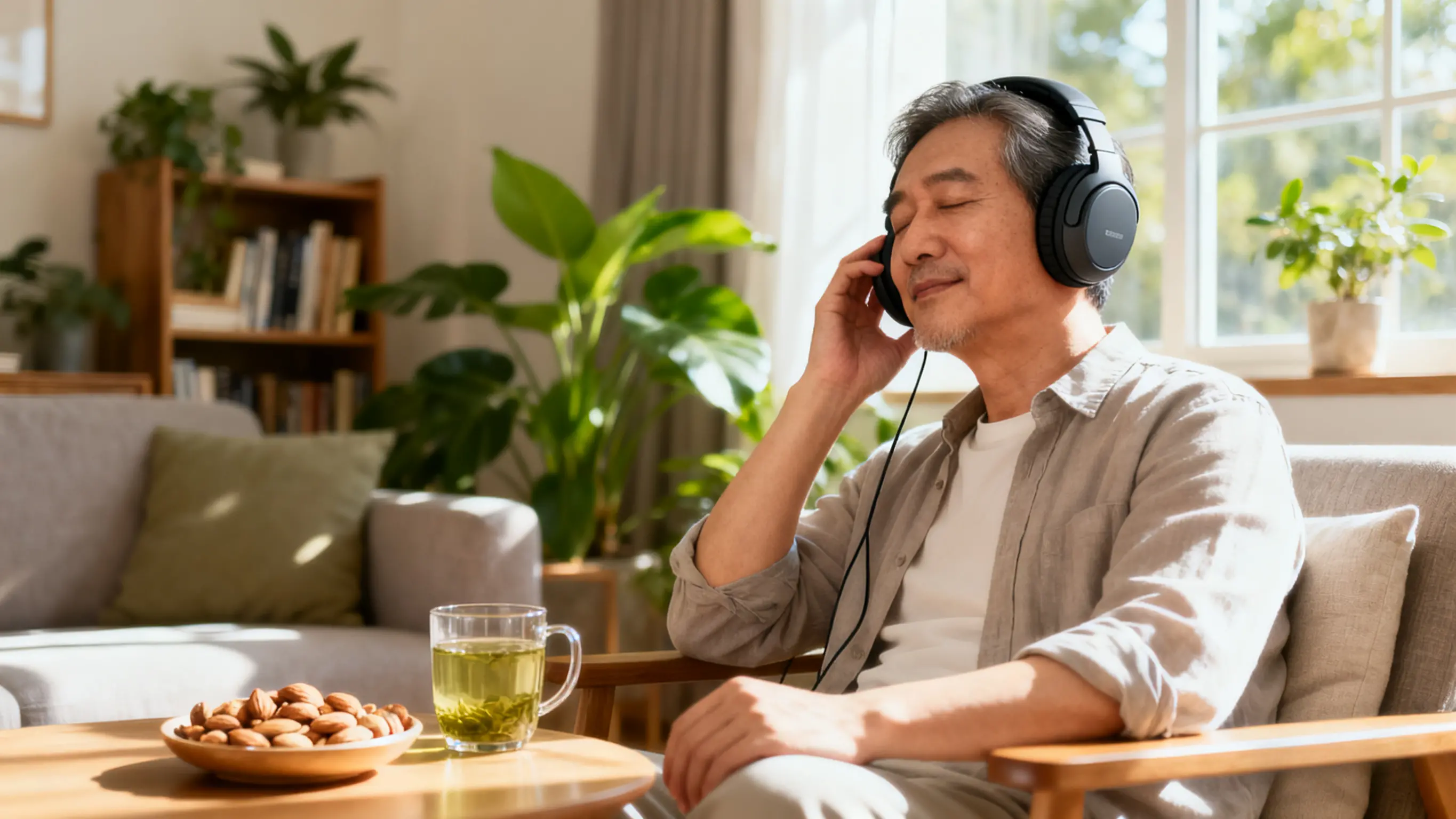
Let’s dish out some tasty options! Incorporate leafy greens like spinach and kale, citrus fruits packed with vitamin C, nuts for those heart-healthy fats, and fish rich in omega-3 fatty acids—think salmon and mackerel. These foods work together like a band, keeping your ears in tune. And hey, don’t forget about whole grains and legumes! They’re not just for making your bowl of chili warmer; they also promote good circulation to your ears. Dig in for better hearing!
When to Seek Professional Help for Hearing Issues
Signs You Should Visit an Audiologist
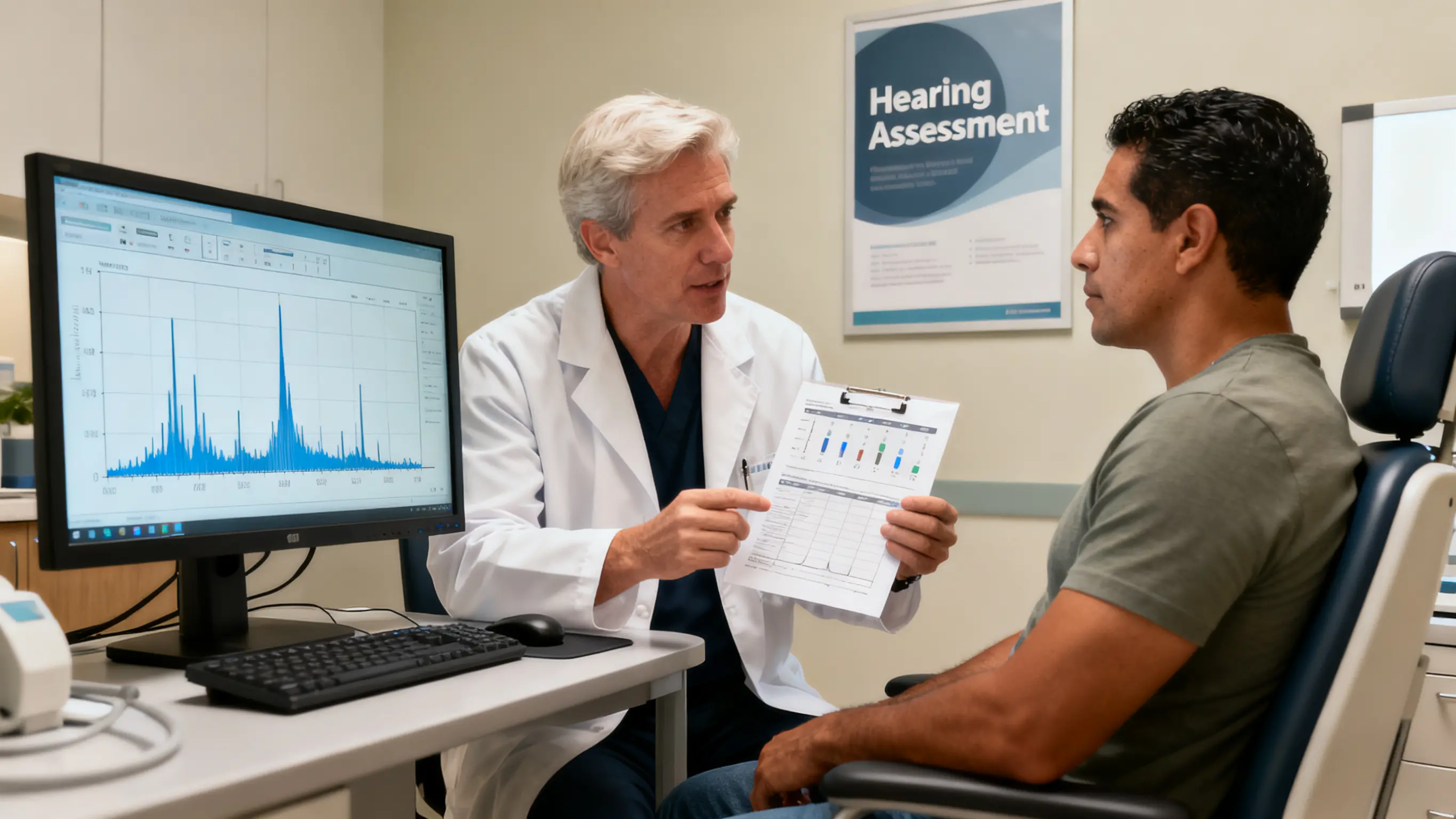
Your ears are sending you signals—no, not the kind you pick up on a walkie-talkie! If you find yourself frequently asking people to repeat themselves, struggling with understanding conversations in noisy places, or noticing a ringing in your ears (tinnitus), it’s time to schedule a date with an audiologist. Trust us, ignoring these signs is like ignoring a pimple; it won’t just magically go away!
Types of Hearing Tests and Assessments
Hearing tests are like a spa day for your ears. They can range from simple check-ups to more complex assessments, such as pure-tone audiometry (where you listen to tones and raise your hand like you’re in a game show) to tympanometry, which checks how your eardrum responds. No matter the method, these tests provide valuable insights into your ear health, so you can get back to blasting your favorite tunes without missing a beat.
Innovative Tools and Technologies to Enhance Hearing
Hearing Aids: Types and Benefits
Remember the days when hearing aids were bulky and about as stylish as a brick? Those days are long gone! Today’s hearing aids are sleek, smart, and packed with features—think Bluetooth connectivity and noise cancellation that would make a tech nerd swoon. They come in various types, from behind-the-ear to completely-in-canal options, making them as fashionable as they are functional.
Assistive Listening Devices
Assistive listening devices (ALDs) are the unsung heroes of the hearing world. They amplify sound directly from the source (like a TV or a lectern), making it easier to hear without straining your ears. They work wonders in crowded places or during lectures—no one wants to miss out on what’s being said, especially if it’s about the latest episode of that binge-worthy series!
Emerging Technologies in Hearing Health
Technology is evolving faster than a cat meme goes viral! From smart hearing aids that adapt to your environment to wearable devices that monitor your hearing health, the future looks bright (and not just for your eyes). Innovations such as gene therapy and implants are also on the horizon, promising to redefine how we approach hearing loss and overall ear health.
Conclusion: Embracing a Proactive Approach to Ear Health
Recap of Key Strategies for Ear Protection
So, what have we learned? Nutrition, regular check-ups, and the right tech tools are all part of your arsenal for ear health. Eating well, knowing when to seek help, and keeping up with the latest hearing devices can create a symphony of sound rather than a cacophony of confusion.
Encouragement for Regular Hearing Check-Ups
Don’t wait until you’re shouting “What?!” to get your ears checked! Regular hearing assessments should be as routine as your morning coffee run. Stay proactive like a superhero and ensure your ears are happy and healthy. Your future self—and your friends—will thank you!Taking care of your ear health is vital for maintaining a vibrant and connected life. By implementing the simple strategies discussed in this article, you can significantly reduce the risk of hearing troubles and enhance your overall auditory experience. Remember, proactive ear care combined with regular check-ups can make a world of difference. Embrace these practices, and enjoy clearer sounds and richer moments with those around you. Your ears deserve the best, so start prioritizing your hearing health today!
Frequently Asked Questions
What are some early signs of hearing loss I should look out for?
Common signs include difficulty following conversations, needing to raise the volume on devices, and frequently asking others to repeat themselves.
How often should I have my hearing checked?
It is recommended to have your hearing tested at least once every two years, or more frequently if you notice any changes in your hearing.
Can certain foods improve my ear health?
Yes, foods rich in vitamins and antioxidants, such as leafy greens, fish, nuts, and fruits, can support ear health and potentially reduce the risk of hearing loss.
Are there any specific ear protection devices I should consider?
Earplugs and noise-canceling headphones are excellent choices for protecting your ears in loud environments. Custom-fitted earplugs are also available for musicians and frequent concert-goers.
This content may contain affiliate links. An affiliate link is a special URL that allows third-party affiliate programs to track when a visitor clicks through from this site and makes a purchase.
If you click on an affiliate link and subsequently buy a product or service, I may receive a small commission from the retailer or affiliate network. Importantly, this does not add any extra cost to your purchase—you will pay the same price as you would if you accessed the product/service directly.
Your use of this site and any purchases made through affiliate links are voluntary, and this disclosure does not affect your legal rights as a consumer.
If you have questions about specific affiliate relationships or products, feel free to reach out via the contact information provided on this site.