Simple Woodworking DIY: Easily Create Your Own Woodworking World
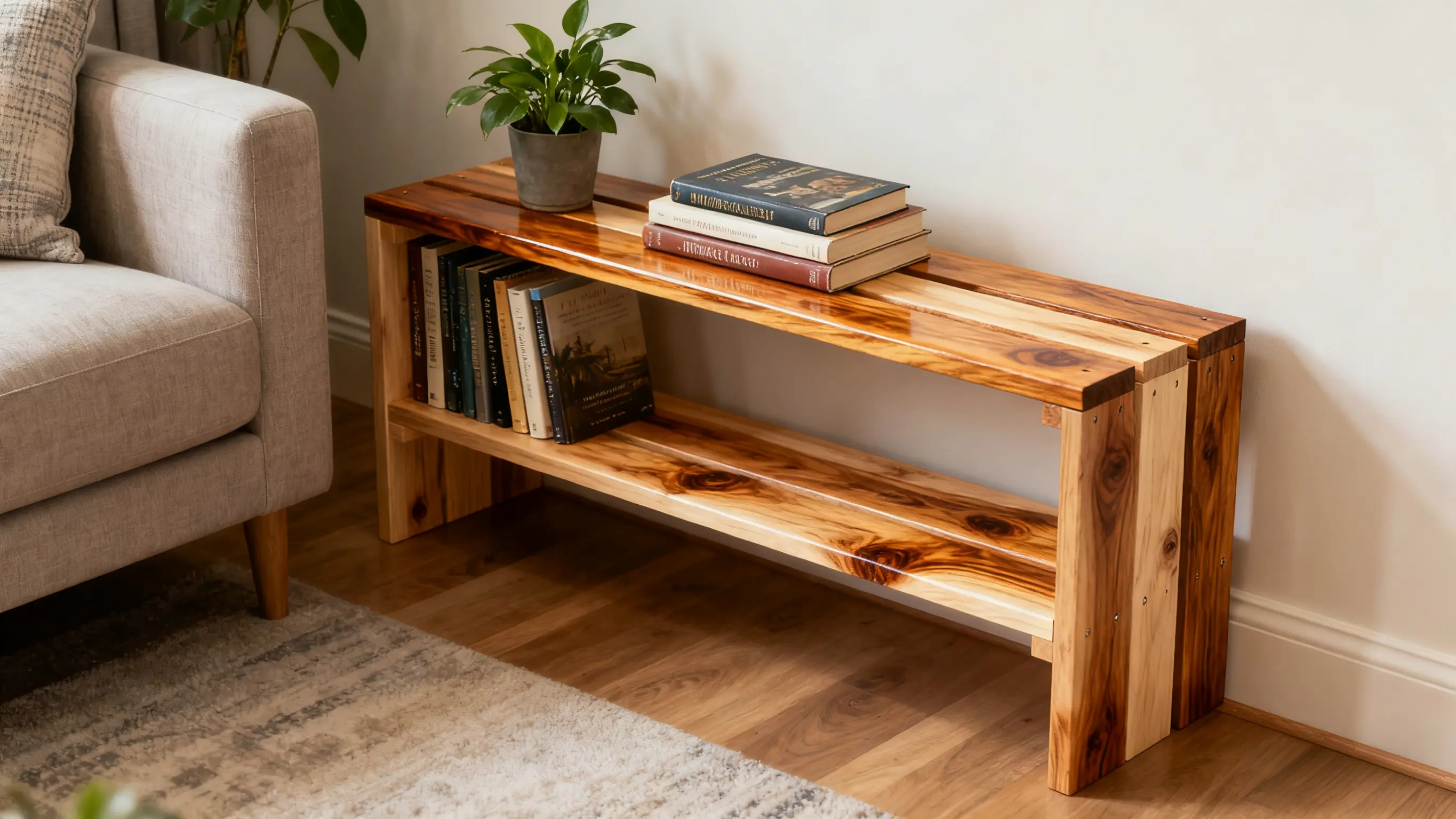
Woodworking is a rewarding and creative hobby that allows you to transform raw materials into functional and beautiful pieces for your home or workspace. Whether you’re a complete novice or someone looking to refine your skills, embarking on a DIY woodworking journey can be both fulfilling and enjoyable. In this article, we will explore the essentials of woodworking, from the tools you’ll need to the techniques that will set you on the path to success. You’ll also discover simple projects to ignite your passion and tips for designing your own unique creations. With a focus on safety and continuous learning, you will be well-equipped to create your own woodworking world.
Introduction to DIY Woodworking
Overview of DIY Woodworking
Woodworking isn’t just about creating furniture; it’s about self-expression and the pure joy of working with your hands. Whether you’re building a birdhouse for your backyard or crafting a custom coffee table to impress your friends, DIY woodworking allows you to transform raw materials into functional art. With a sprinkle of creativity and a dash of patience, you can forge your own woodworking world, one project at a time.
Benefits of Woodworking as a Hobby
Woodworking as a hobby comes with a buffet of benefits. First off, it’s therapeutic—there’s something calming about the rhythmic sound of tools and the smell of fresh wood. Not to mention, you get to show off your hard work to friends and family, which is an ego boost in itself. Plus, it cultivates problem-solving skills and patience, as you learn from mistakes (and let’s be real, there will be a few). And if that wasn’t enough, you get to enjoy the satisfaction of creating something from nothing. What’s not to love?
Essential Tools for Beginners
Hand Tools Every Woodworker Should Have
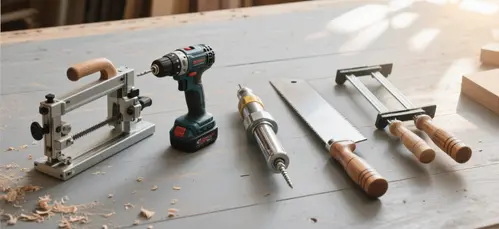
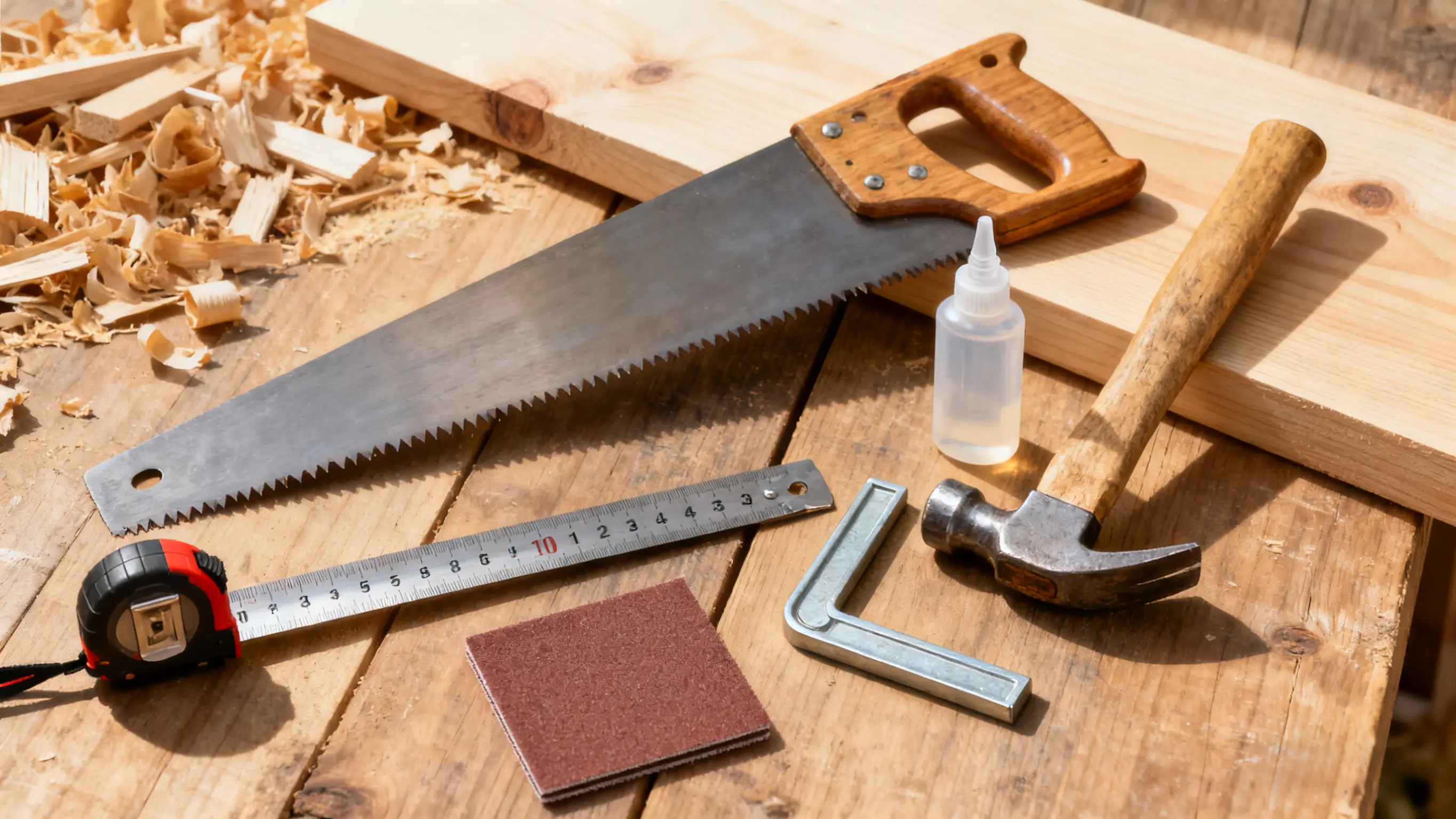
Every woodworking adventurer needs a trusty set of hand tools in their arsenal. Start with the basics: a hammer, a set of chisels, a handsaw, and a good square to keep your cuts nice and straight. A measuring tape and pencils for marking are must-haves too—unless you’re into guessing, which rarely ends well. A trusty utility knife and a block plane can also come in handy, helping you achieve that professional finish without breaking the bank.
Power Tools: What You Need to Get Started
Once you’re comfortable with hand tools, it might be time to explore the electrifying world of power tools (pun definitely intended). A drill/driver is essential for everything from assembling projects to making pilot holes. A circular saw is a fantastic all-rounder for cutting large pieces down to size, while a jigsaw can tackle those tricky curves. If you’re feeling fancy, a miter saw can help make perfect angle cuts for frames or trim. Just remember, with great power tools comes great responsibility—and safety gear, of course!
Tool Maintenance and Care
Just like your favorite pair of sneakers, your tools need some love too! Keeping your hand tools sharp is key; a dull chisel is more dangerous than a sharp one. Oil can do wonders for metal components, preventing rust and ensuring smooth operation. Clean your tools after use, and store them properly to avoid tragic accidents (like a hammer falling on your toe). Plus, a little bit of TLC goes a long way in extending the life of your beloved tools.
Choosing the Right Wood
Types of Wood and Their Uses
Not all wood is created equal, and knowing your options can make a world of difference. Softwoods like pine and cedar are ideal for beginners—they’re easy to work with and are great for projects like shelves or planters. Hardwoods such as oak and maple are sturdier and perfect for furniture, but they can be a bit trickier to handle. Understanding the different types and their properties can help you choose the best wood for your next masterpiece.
Sourcing Quality Wood for Projects
Finding quality wood doesn’t require a treasure map, but it can feel that way sometimes! Local lumberyards and home improvement stores are great places to start. For something more unique, consider reclaimed wood or specialty stores that offer exotic varieties. Just remember to check for signs of damage or warping; you want wood that’s going to last, not a future project turned disaster.
Understanding Wood Grain and Finish
Wood grain is nature’s way of showing off, and knowing how to work with it can make your projects shine. The grain pattern can affect both the look and durability of your piece, so pay attention to it when selecting your lumber. As for the finish, it’s not just about aesthetics—it protects the wood from moisture and wear. Whether you prefer paint, stain, or oil, the right finish can enhance and showcase that beautiful grain you worked hard to choose.
Basic Techniques Every Woodworker Should Know
Measuring and Marking Techniques
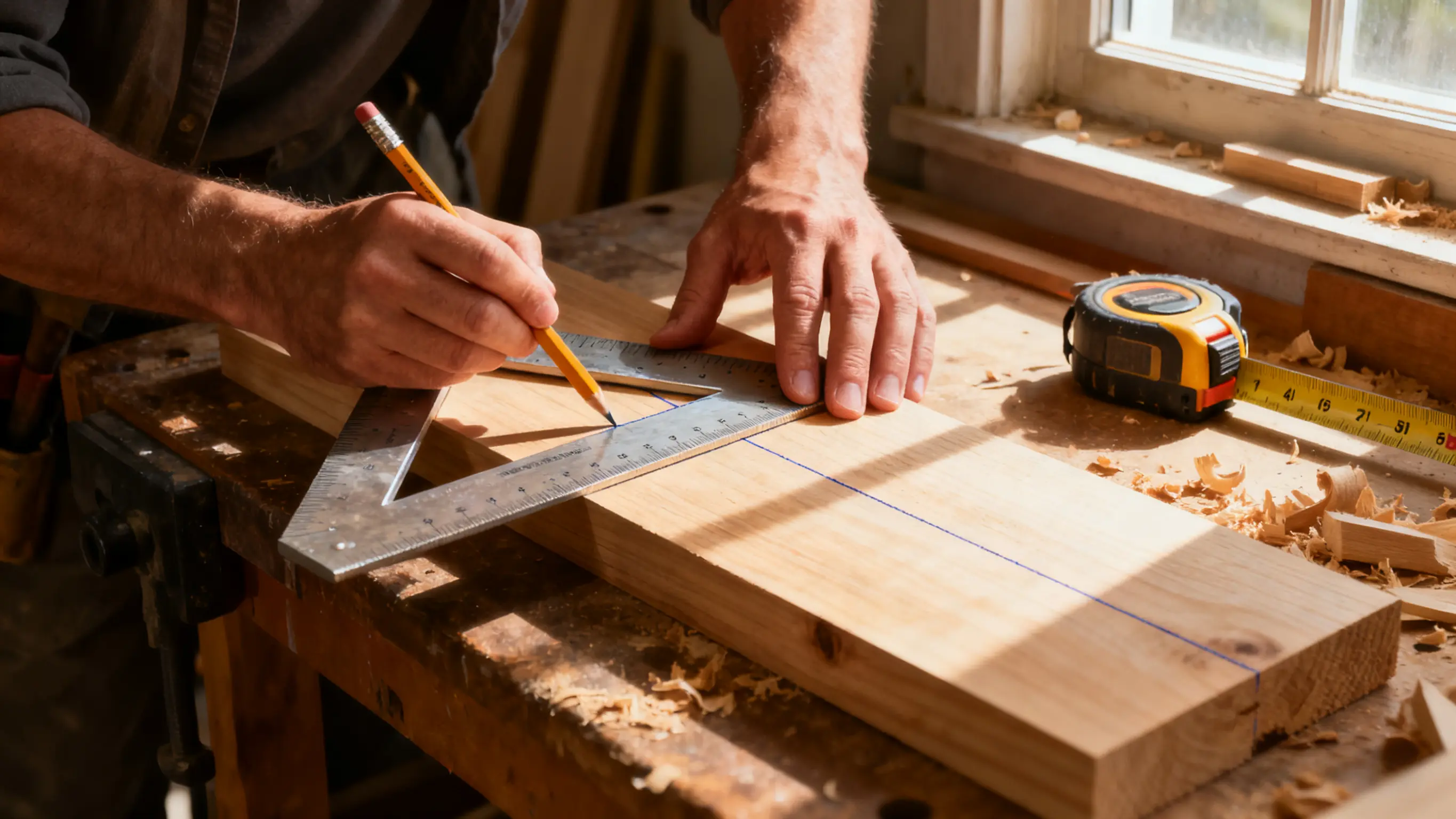
The old saying “measure twice, cut once” is wisdom to live by in woodworking. Learning to measure accurately is your best friend; invest in a good measuring tape and a square. Use a straight edge and a sharp pencil for marking—clear, visible lines are crucial. Pro tip: don’t be afraid to write notes directly on your wood for guidance; it’s your canvas after all!
Cutting Methods for Accuracy
Cutting wood might sound straightforward, but precision is key! Depending on your project, you may use different cuts: crosscuts (across the grain) for shortening boards and rip cuts (with the grain) for width adjustments. Always take your time, and let the tool do the work. If you’re feeling particularly adventurous, practice your technique on scrap wood before diving into the real deal—trust us, your final project will thank you.
Joining Techniques for Stronger Projects
Joining pieces of wood together is the secret sauce to creating sturdy projects—no one wants their coffee table to collapse under the weight of your favorite books! Basic techniques like butt joints and lap joints are great for beginners. As you grow more confident, you can explore dowels, biscuits, or even mortise and tenon joints. Just remember, glue is your best pal here, and clamps can help keep things secure while it dries. Happy joining!
Simple Projects to Kickstart Your Woodworking Journey
Beginner-Friendly Furniture Projects
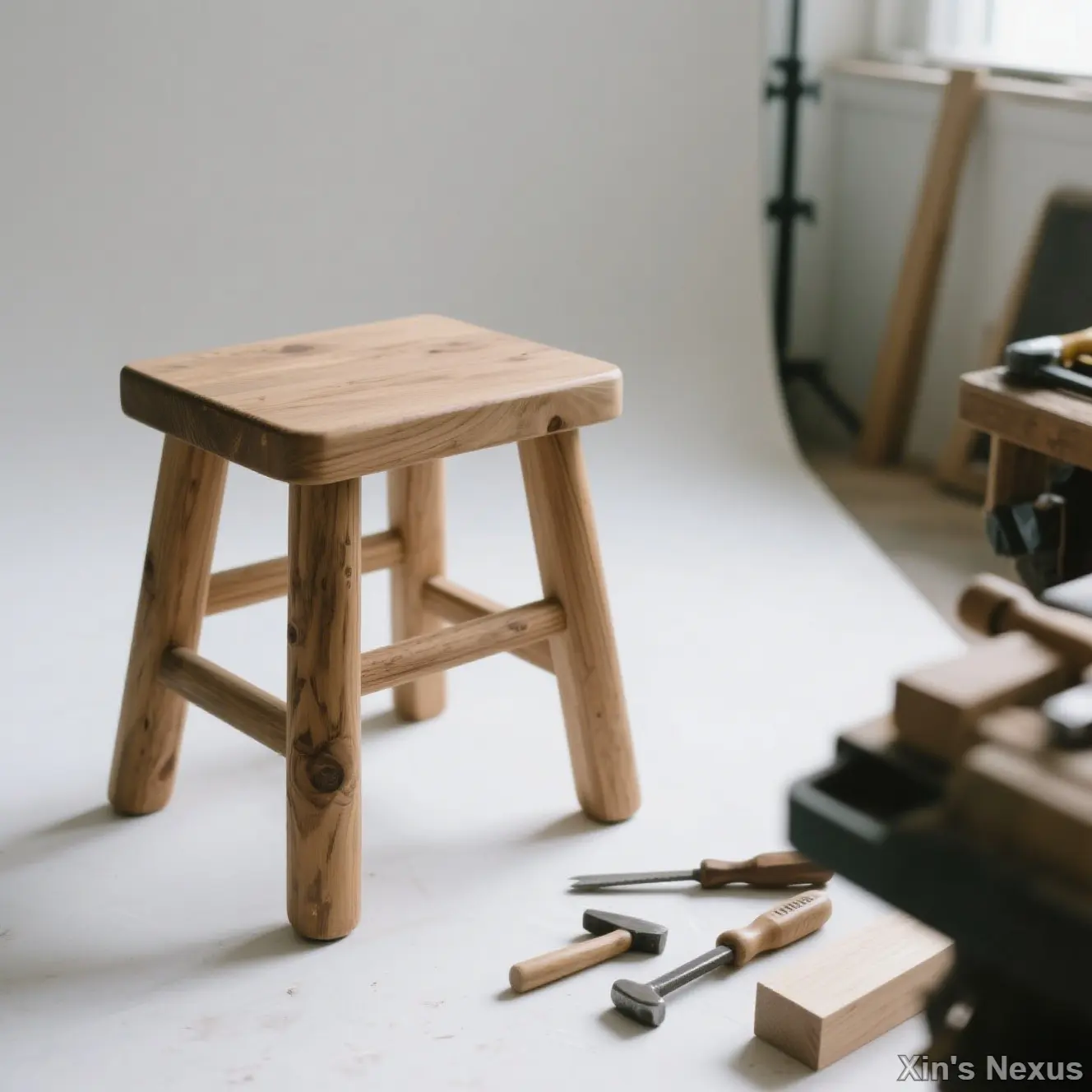
If you’re just dipping your toes into the woodworking pool, why not start with some easy furniture projects? A simple side table or a basic bookshelf can give you a sense of accomplishment without requiring you to summon the spirit of furniture-making gods. Plus, you’ll impress your friends with handcrafted pieces that scream, “I’m artsy and I have my life together!” Look for plans that are straightforward and use readily available materials – think 2x4s and plywood instead of exotic hardwoods that might make your wallet weep.
Functional Home Decor Creations
Who says decor can’t be functional? Dive into projects like handmade picture frames, rustic coat racks, or personalized shelving units. Not only do these pieces add character to your home, but they also create that delightful “I made this” vibe that makes any space feel warm and inviting. Grab some wood, throw in a few nails and screws, and boom – your home is now an Instagram-worthy gallery of your craftsmanship!
Outdoor Woodworking Ideas
Embrace the great outdoors and transform your backyard into a woodworking masterpiece! Build a cozy garden bench for those sunny days, or a birdhouse that will make the local avian population jealous. For the adventurous souls, a simple raised garden bed can elevate your vegetable-growing game while giving you the satisfaction of saying you built it yourself. Just remember to treat your wood for outdoor use, because Mother Nature isn’t always nice to unprotected lumber.
Tips for Designing Your Own Creations
Sketching and Planning Your Projects
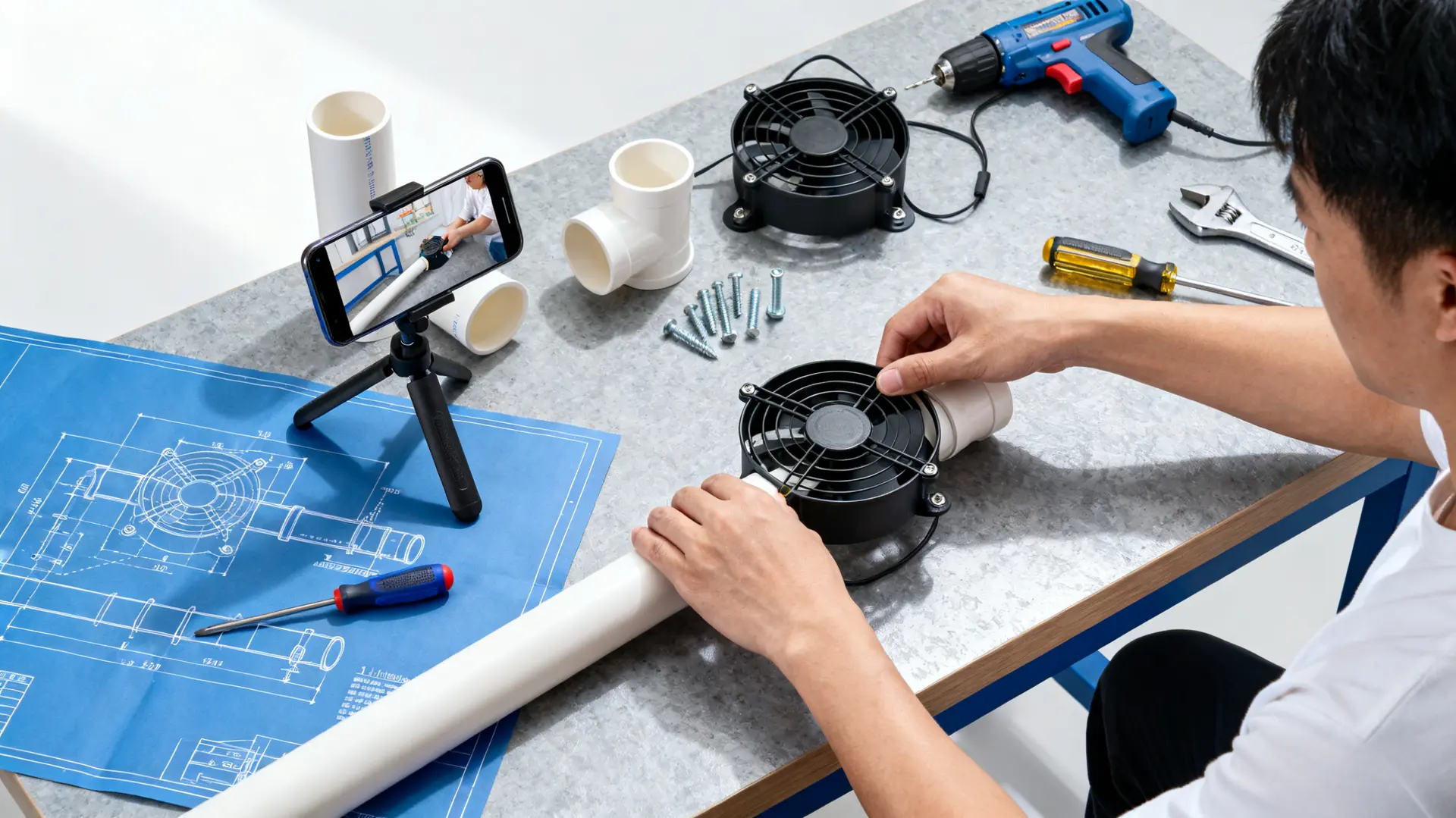
Before you break out the saw and glue, take a moment to channel your inner artist. Sketching your ideas doesn’t just help solidify what you want to build; it’s also a great way to visualize proportions and features. Whether you’re a doodler or a master draftsman, putting pencil to paper allows you to play with designs without sacrificing any wood (or sanity). Don’t worry if your sketches look like they were made by a toddler; as long as you get the concept down, you’re golden!
Using Software for Design Assistance
Feeling overwhelmed by your own sketches? Enter the world of woodworking design software! There are plenty of user-friendly programs out there that can help bring your ideas to life in 3D. Programs like SketchUp are great for visualizing your projects, and they can save you from some embarrassing mistakes (like legs that are way too short). Just remember to back up your designs, because nothing says “woodworking nightmare” quite like losing a well-mapped plan just before you start cutting.
Iterating and Improving Your Designs
Once you’ve built your initial piece, don’t be afraid to make adjustments! Iteration is the name of the game. Maybe the table top was too thick, or the legs were slightly wobbly. Take note of what worked and what, well, didn’t. Each project is a stepping stone towards improvement, and the more you tweak, the better you’ll get. Embrace the process, learn from your flubs, and soon enough, you’ll be crafting masterpieces worthy of any woodworking show.
Safety Precautions in Woodworking
Personal Protective Equipment (PPE)
Before you get lost in the thrill of creating, let’s talk safety gear! Who knew looking cool could also save your skin? Always wear personal protective equipment like safety glasses to guard against rogue wood chips, hearing protection for your eardrums (unless you enjoy the sound of power tools), and a dust mask to keep those fine particles away from your lungs. Your future self will thank you for looking out for your wellbeing!
Safe Handling of Tools
Power tools are a woodworker’s best friend, but they require a bit of respect (and caution). Always read the user manual (yes, they’re not just for decoration) and familiarize yourself with each tool’s operation. Keep your workspace clutter-free to avoid trips and falls, and never rush through a cut – unless you’re planning to perform a magic trick with your fingers. Remember: slow and steady wins the safety race!
Creating a Safe Workspace
Your workshop should be a sanctuary of creativity, not a death trap. Ensure your workspace is well-lit, organized, and ventilated. Eliminate any tripping hazards, and if you have pets or kids, make sure they’re not running around with the enthusiasm of a squirrel on espresso. Consider marking out a clear area for your main projects and tool storage to keep things tidy and efficient. A safe workspace is not just good for you; it’s also a great way to impress everyone with your responsible adulting skills.
Resources for Continued Learning and Inspiration
Books and Magazines on Woodworking
The world of woodworking is brimming with written wisdom! Pick up a few good books or magazines geared towards your skill level. Whether it’s classic texts that talk about joinery or contemporary magazines that showcase the latest trends, having a library of resources at your fingertips can spark creativity and provide new techniques. Plus, nothing feels quite as satisfying as flipping through a book while feeling like a true aficionado of the craft.
Online Courses and Tutorials
In the age of information overload, online courses are your golden ticket! There are many platforms offering woodworking tutorials ranging from basic techniques to advanced skills. YouTube is a treasure trove of free content – just make sure you filter out the videos where the creator seems to have forgotten what safety gear is! Engaging in structured courses can provide you with guidance and a community to share your woodworking journey.
Woodworking Communities and Forums
Connect with other woodworking enthusiasts through online communities and forums. Sites like Reddit and dedicated woodworking forums are great for sharing your projects, seeking advice, and occasionally engaging in friendly debates about the best type of wood glue. Plus, you can find tips from seasoned pros and maybe even forge friendships that will turn into collaborations. Remember, there’s strength in numbers – especially when you’re tackling a particularly challenging project!As you embark on your woodworking journey, remember that practice and patience are key to mastering this rewarding craft. With the right tools, techniques, and a little creativity, you can create stunning pieces that reflect your personal style. Embrace the process, learn from your experiences, and don’t hesitate to seek inspiration from fellow woodworkers. The world of woodworking is vast and full of possibilities, so dive in, enjoy the journey, and let your imagination guide you as you build your very own woodworking world.
Frequently Asked Questions
What types of wood are best for beginners?
Softwoods like pine, cedar, and fir are great for beginners due to their ease of use, affordability, and availability. They are easier to cut and shape, making them ideal for simple projects.
How much does it cost to get started in woodworking?
The initial cost can vary depending on the tools and materials you choose, but you can start with a budget of around $100 to $300 for basic hand tools and supplies. As you advance, you may choose to invest in more specialized tools and higher-quality materials.
Can I learn woodworking online?
Absolutely! There are numerous online resources, including video tutorials, courses, and forums dedicated to woodworking. These platforms offer valuable information and community support to help you learn at your own pace.
What safety gear do I need for woodworking?
Essential safety gear includes goggles to protect your eyes, ear protection for noisy tools, and a dust mask to avoid inhaling wood particles. Additionally, wearing gloves can help protect your hands, but be cautious when using power tools.
This content may contain affiliate links. An affiliate link is a special URL that allows third-party affiliate programs to track when a visitor clicks through from this site and makes a purchase.
If you click on an affiliate link and subsequently buy a product or service, I may receive a small commission from the retailer or affiliate network. Importantly, this does not add any extra cost to your purchase—you will pay the same price as you would if you accessed the product/service directly.
Your use of this site and any purchases made through affiliate links are voluntary, and this disclosure does not affect your legal rights as a consumer.
If you have questions about specific affiliate relationships or products, feel free to reach out via the contact information provided on this site.